Most sports hand you the playing field. A hockey rink is 200 feet long, a soccer pitch has lines, and a bike race has a course someone else designed. Freeride mountain biking, especially the way it grew up in British Columbia, started from the opposite premise: here’s a forest, a hill, and some tools. Go make something.
I’m a freeride mountain bike photographer, and that premise is why I do this work. The riding is spectacular, but what keeps me behind the lens is the story: the creativity, the labour, and the personalities behind every line. Almost everything about this discipline is unique, and that’s what makes the story captivating and the pictures so good.
Where It All Started
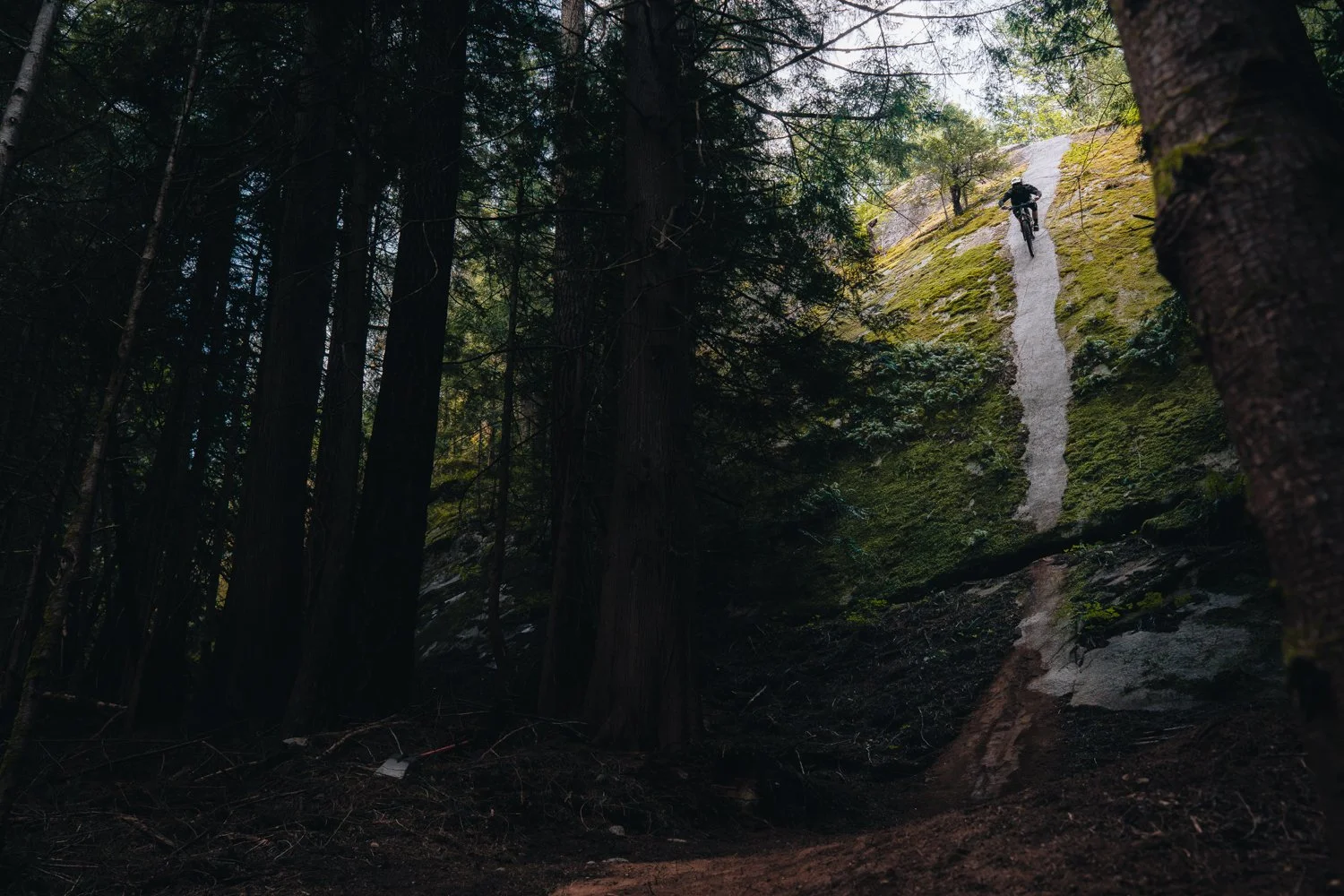
The story begins on the North Shore of Vancouver in the late 1980s and early 1990s. The mountains above the city, Fromme, Seymour, and Cypress, are steep, wet, root tangled, and covered in old growth stumps and slick granite. It was about the worst terrain imaginable for the skinny tired cross country bikes of the day, so a small group of locals adapted. They rode heavier bikes with more suspension and fatter tires down terrain nobody had thought of as rideable.
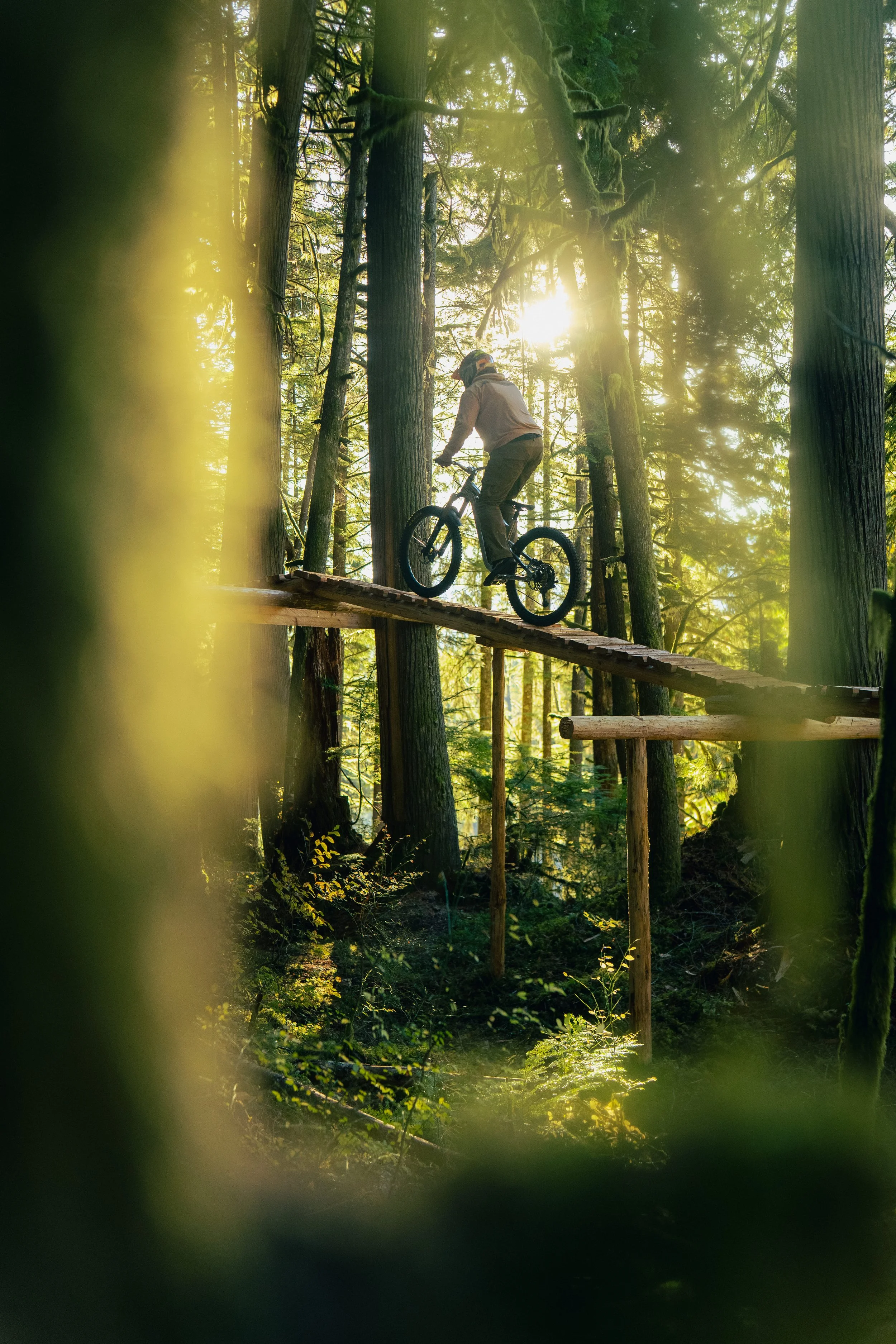
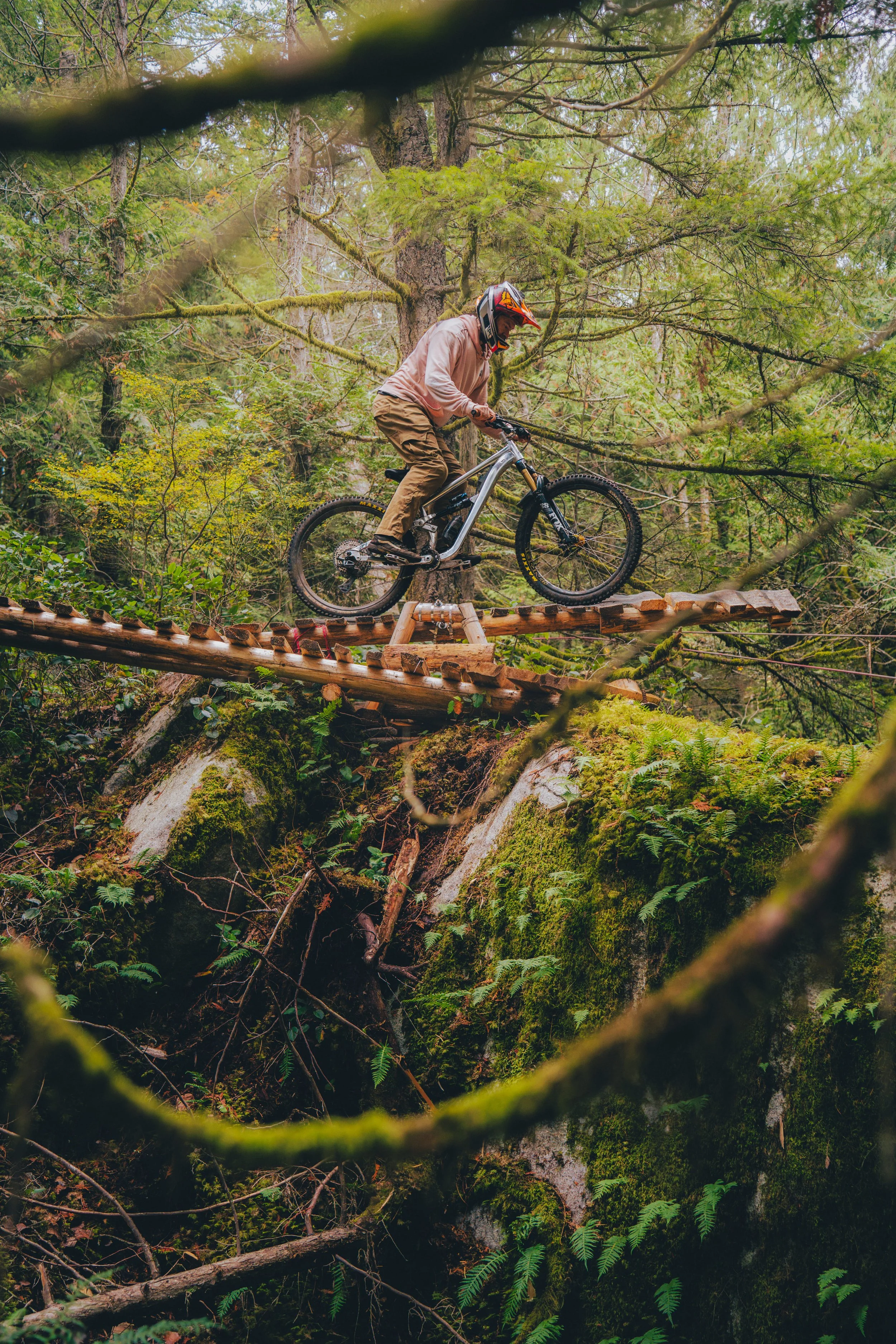
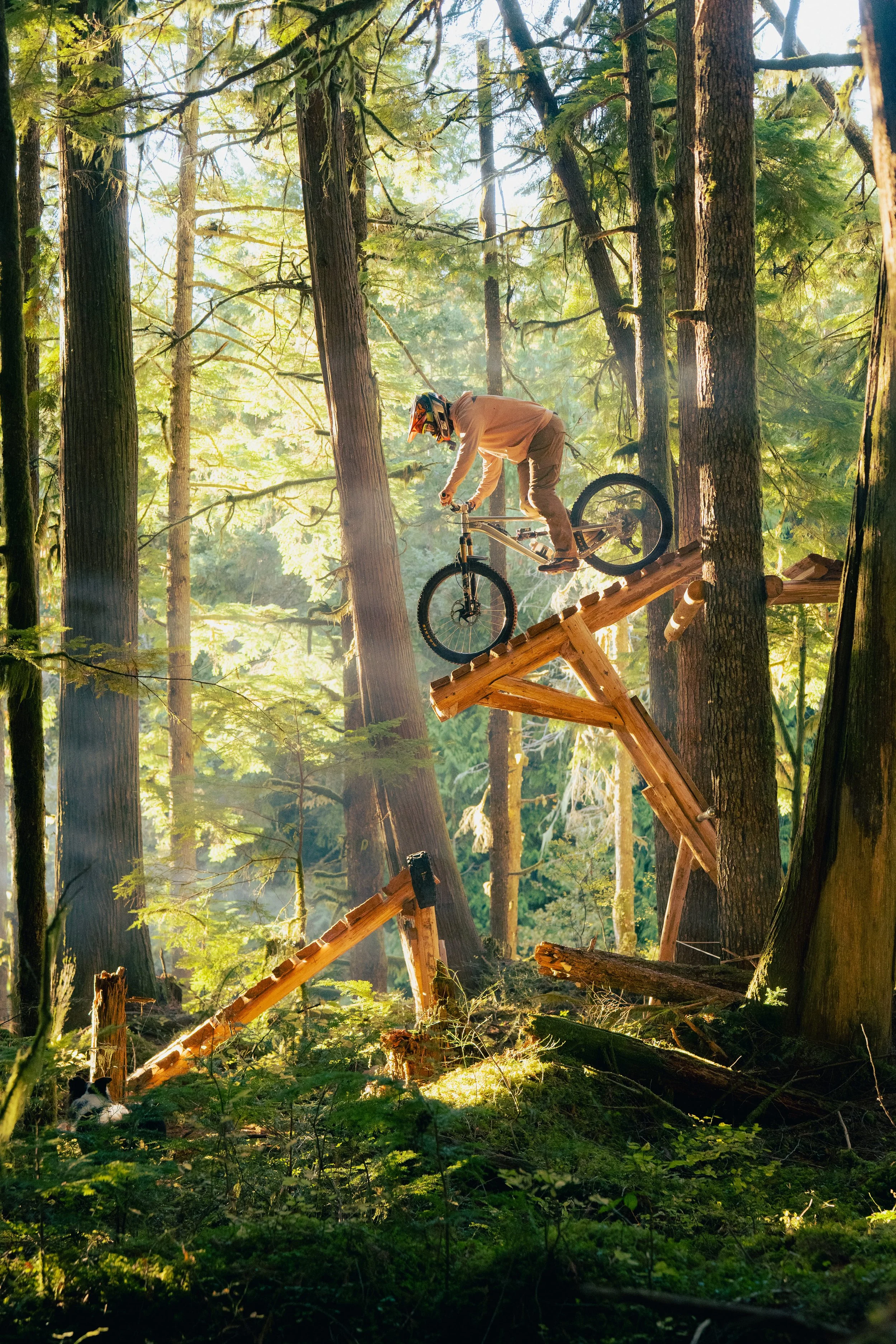
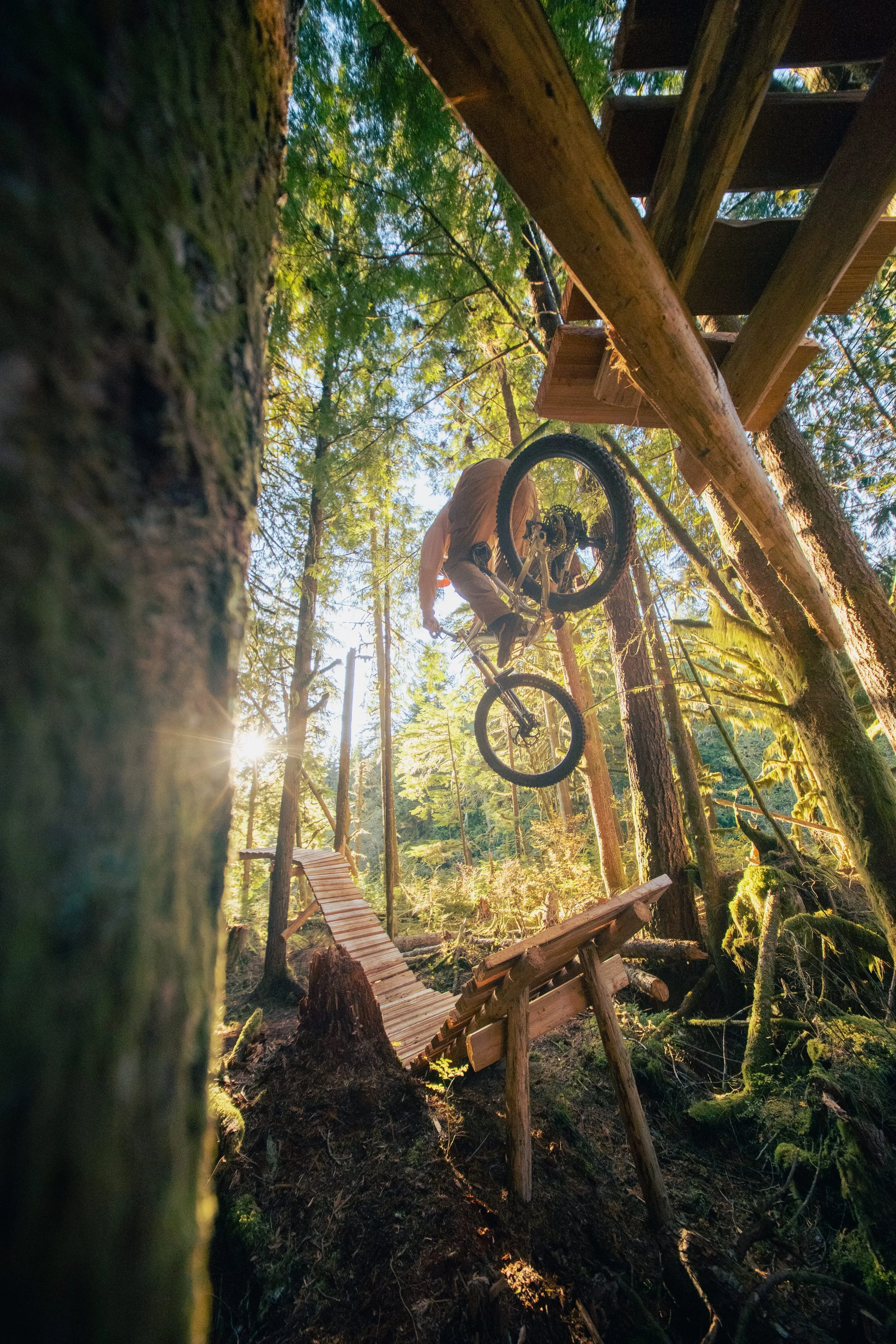
The steepness and the wet climate shaped everything that followed. Trails crossed bogs and ravines, so riders built bridges, ladders, and elevated wooden runs from the downed timber and cedar the rainforest provided. What we now call North Shore style riding was born from necessity: skinnies, log rides, teeter-totters, and drops that turned a rough hillside into a puzzle to be solved at speed.
The community around it was tight and slightly rebellious. These riders weren’t chasing sponsorships or podiums. They were chasing a feeling, and building the stage to find it themselves. Names like Todd Fiander, Digger Dave Watson, and Brett Tippie became part of the lore, as did the trails they built and rode.
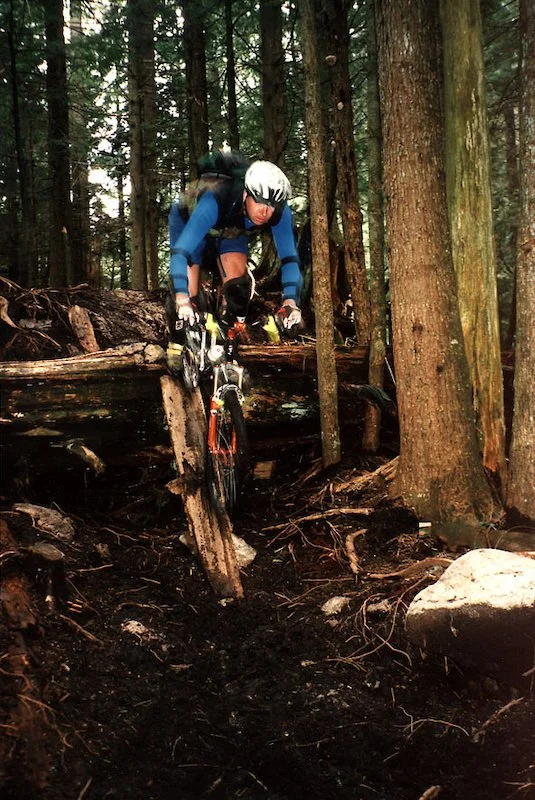
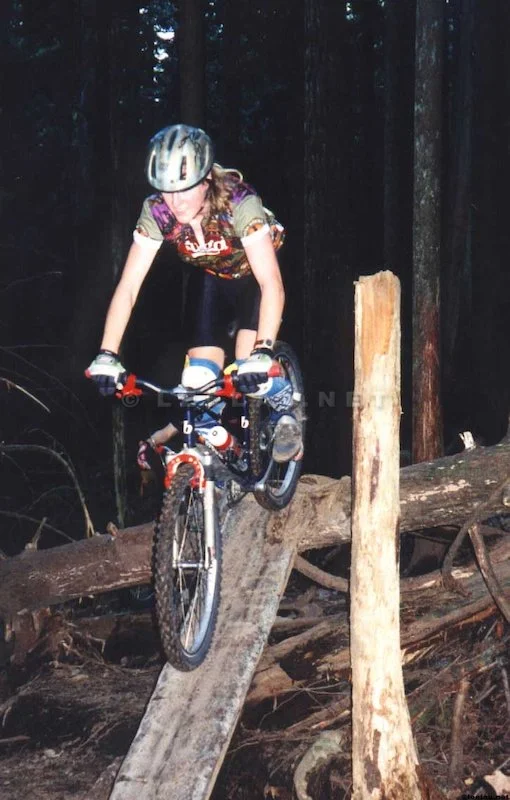
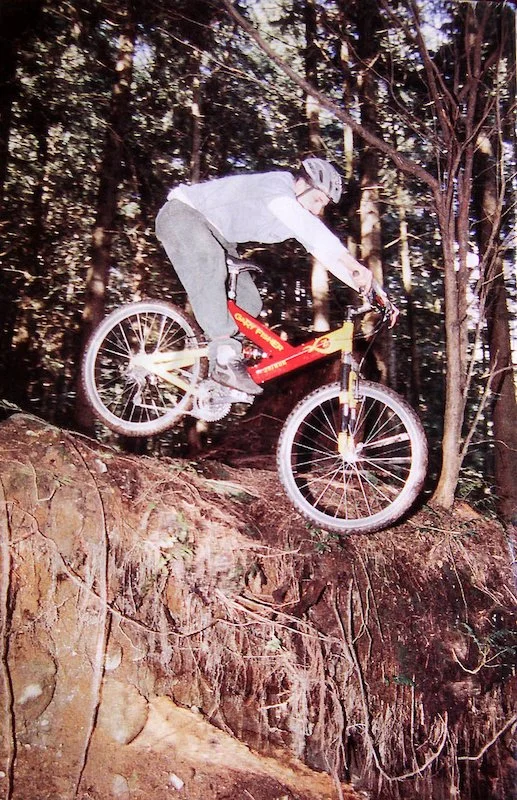
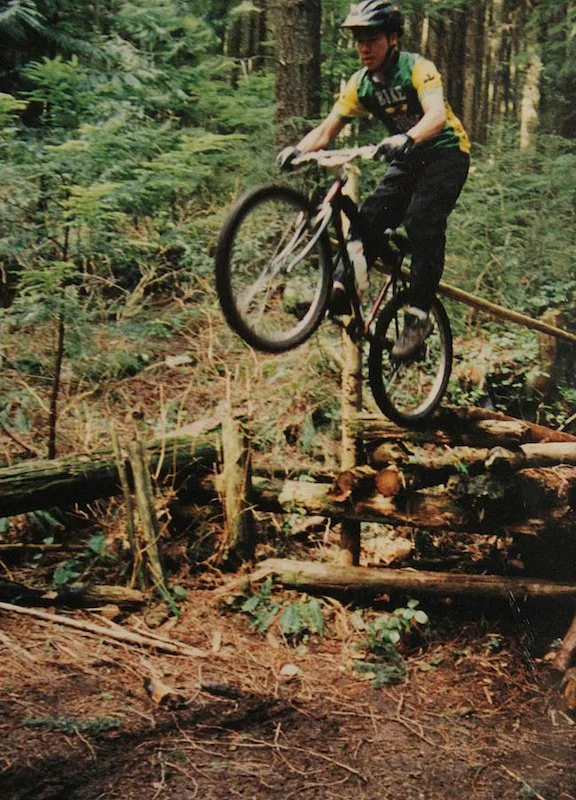
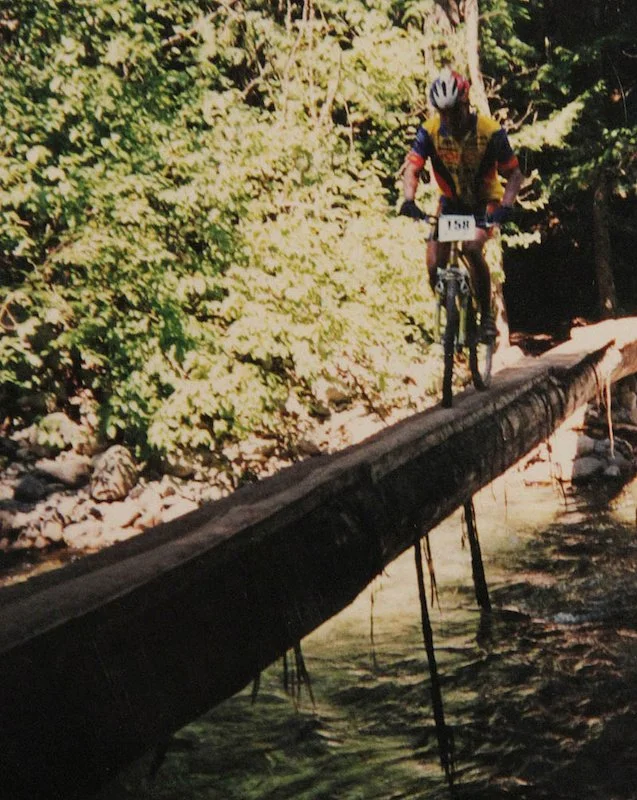
Photo Credit: Lee Lau/Pinkbike
The Idea Behind “Freeride”
The word tells you a lot. Freeride isn’t defined by a stopwatch. Cross-country asks how fast you can get from A to B, and downhill racing asks the same on a steeper hill. Freeride asks a different question: what’s possible, and how do you want to ride it?
Riders pick their own lines, judge their own risk, and decide what a “good” run even means. It borrows from skiing and snowboarding, where freeriders chase the best line down a mountain rather than the fastest time. Freeride is about style, flow, progression, and personal expression.
With no rulebook, the culture became one of invention. Riders pushed each other toward bigger drops, longer gaps, and more technical features, then went back into the woods with shovels and lumber to build the next thing.
BC as the Birthplace of a Movement
The idea spread well beyond the North Shore, and each region added its own flavour.
Whistler became the great proving ground. When the Whistler Mountain Bike Park opened in the late 1990s, lifts and purpose-built trails gave riders a place to push what a bike could do. Its jump lines and wooden features inspired a generation of riders, and the slopestyle scene that grew from that energy eventually found a stage at Crankworx. Slopestyle isn’t freeride in the purest sense, since it’s judged on a designed course, but it grew from the same creative roots.
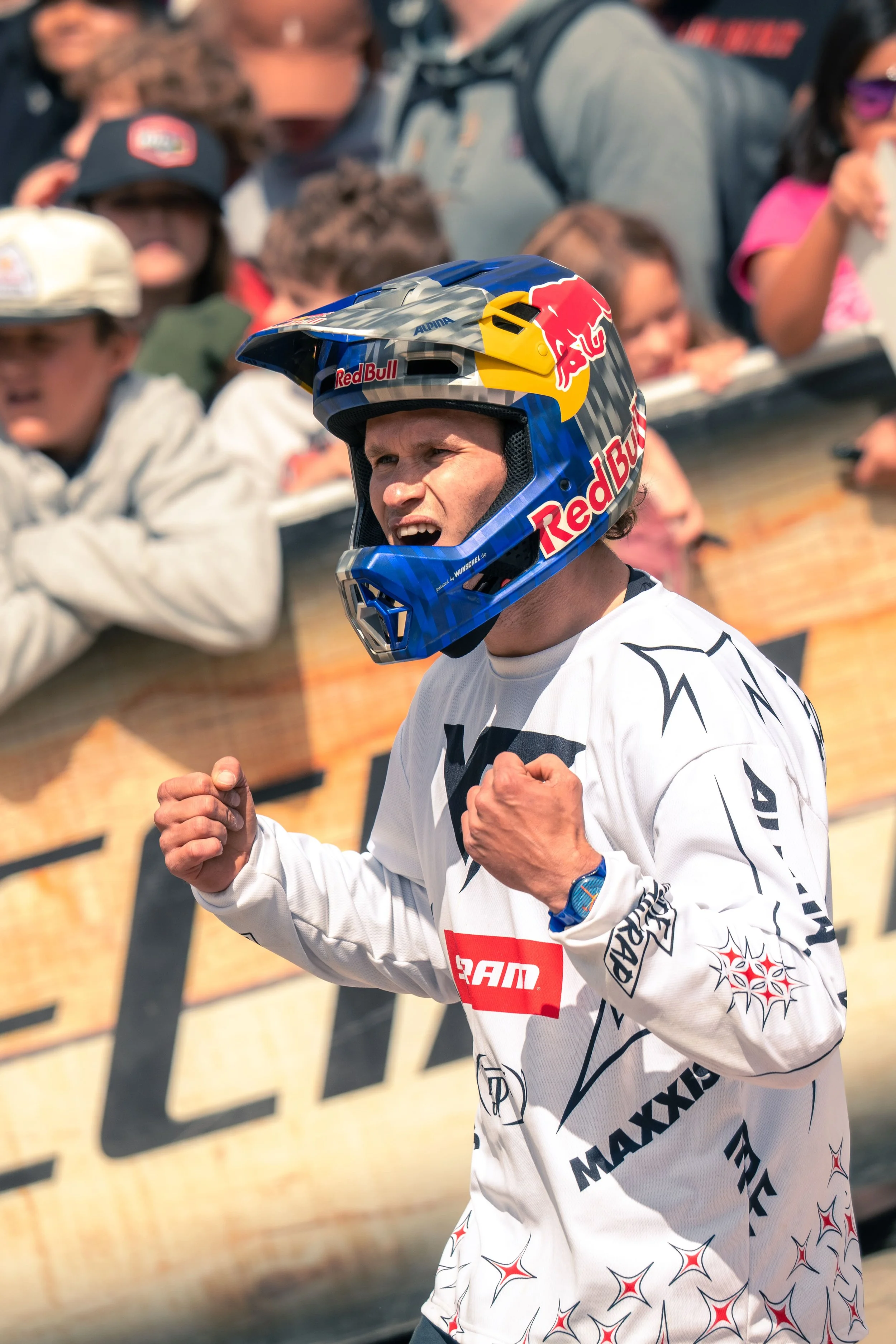
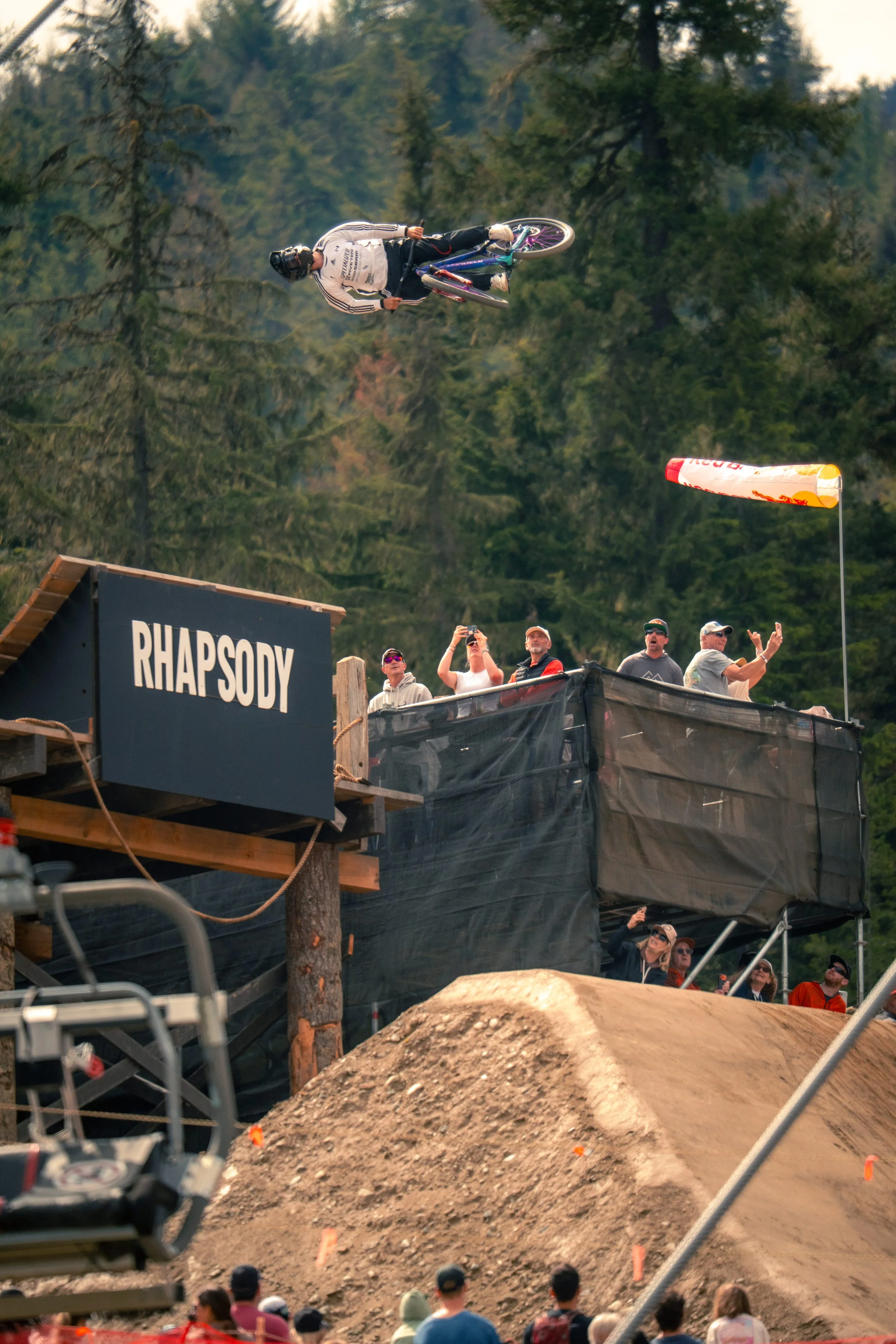
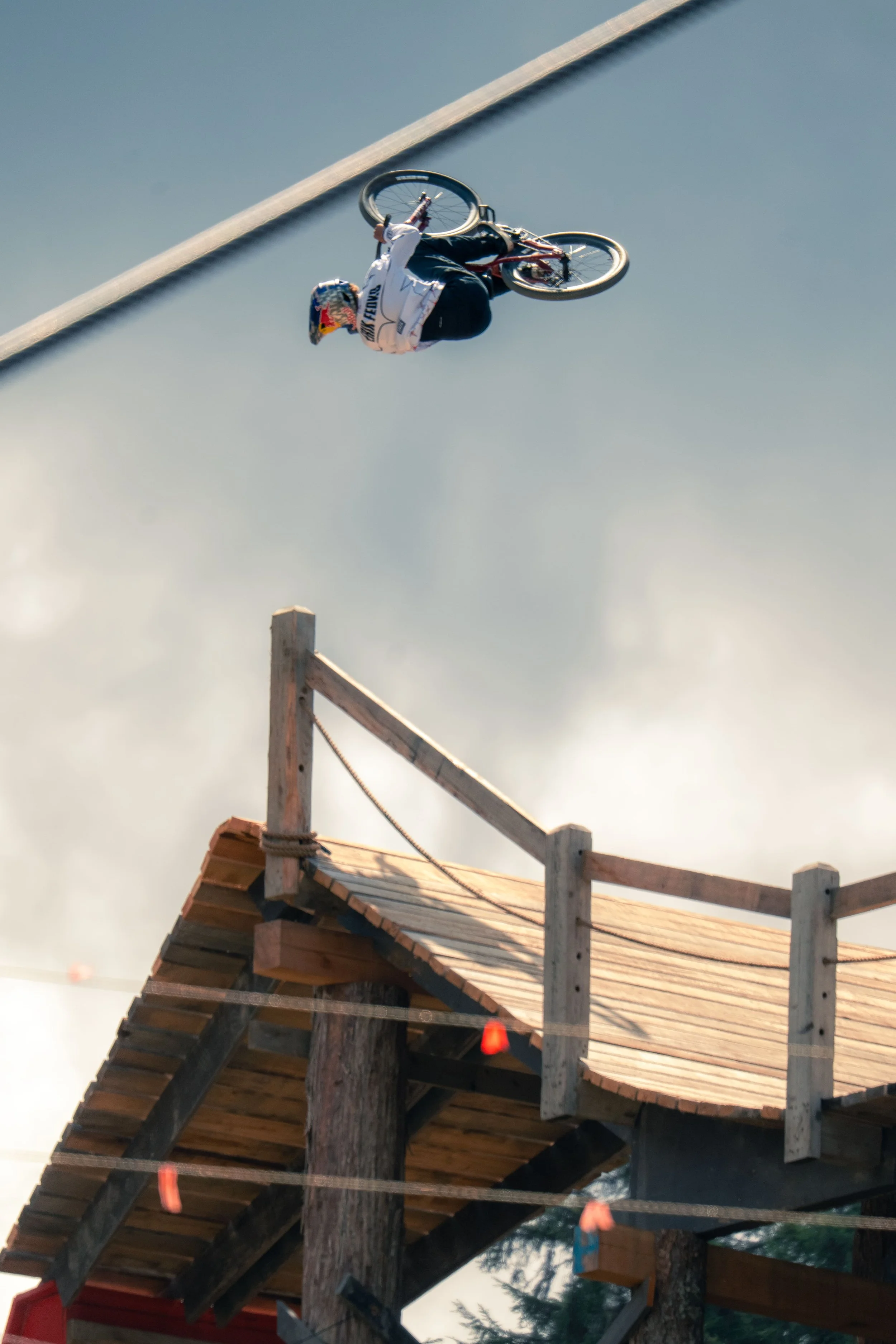
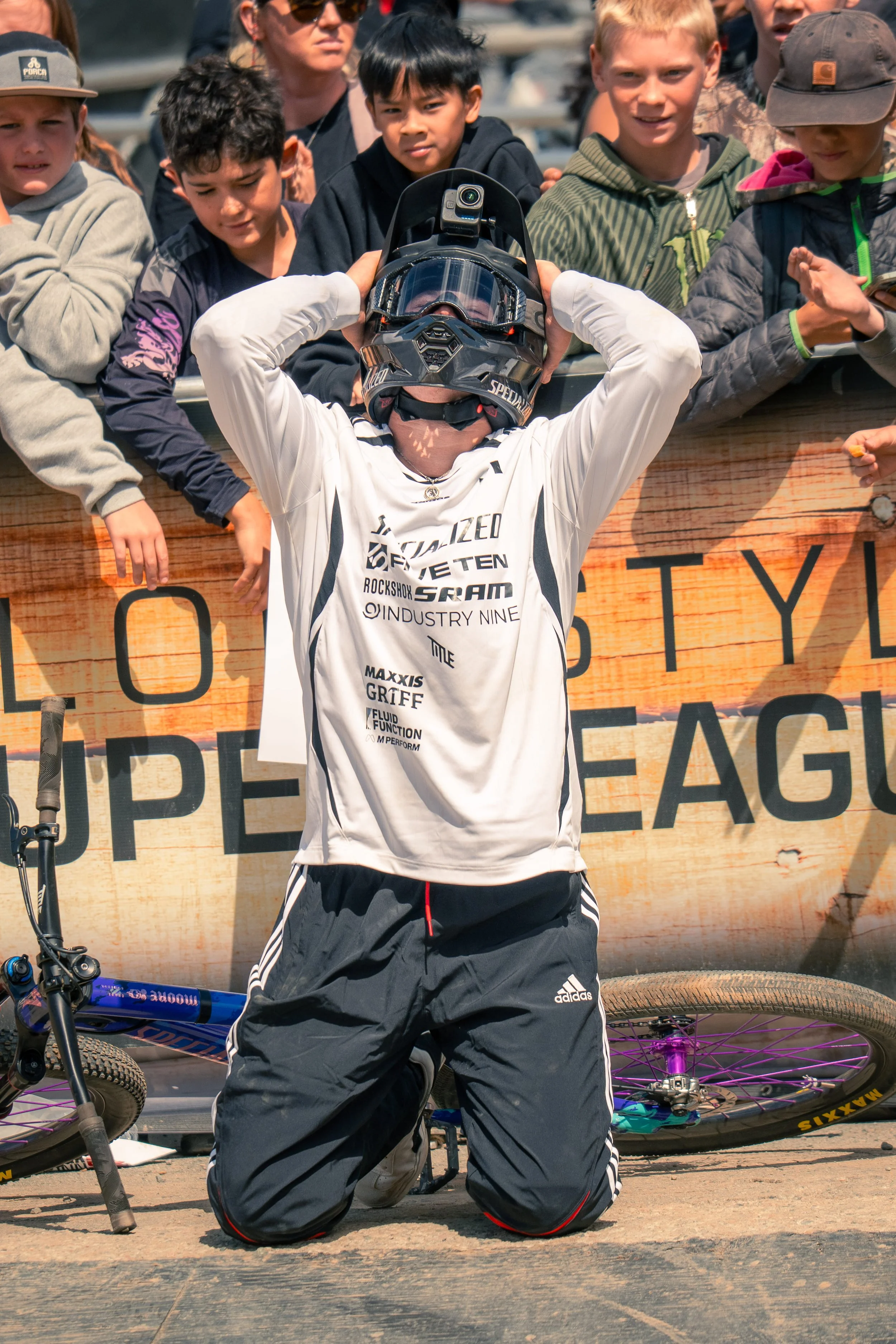
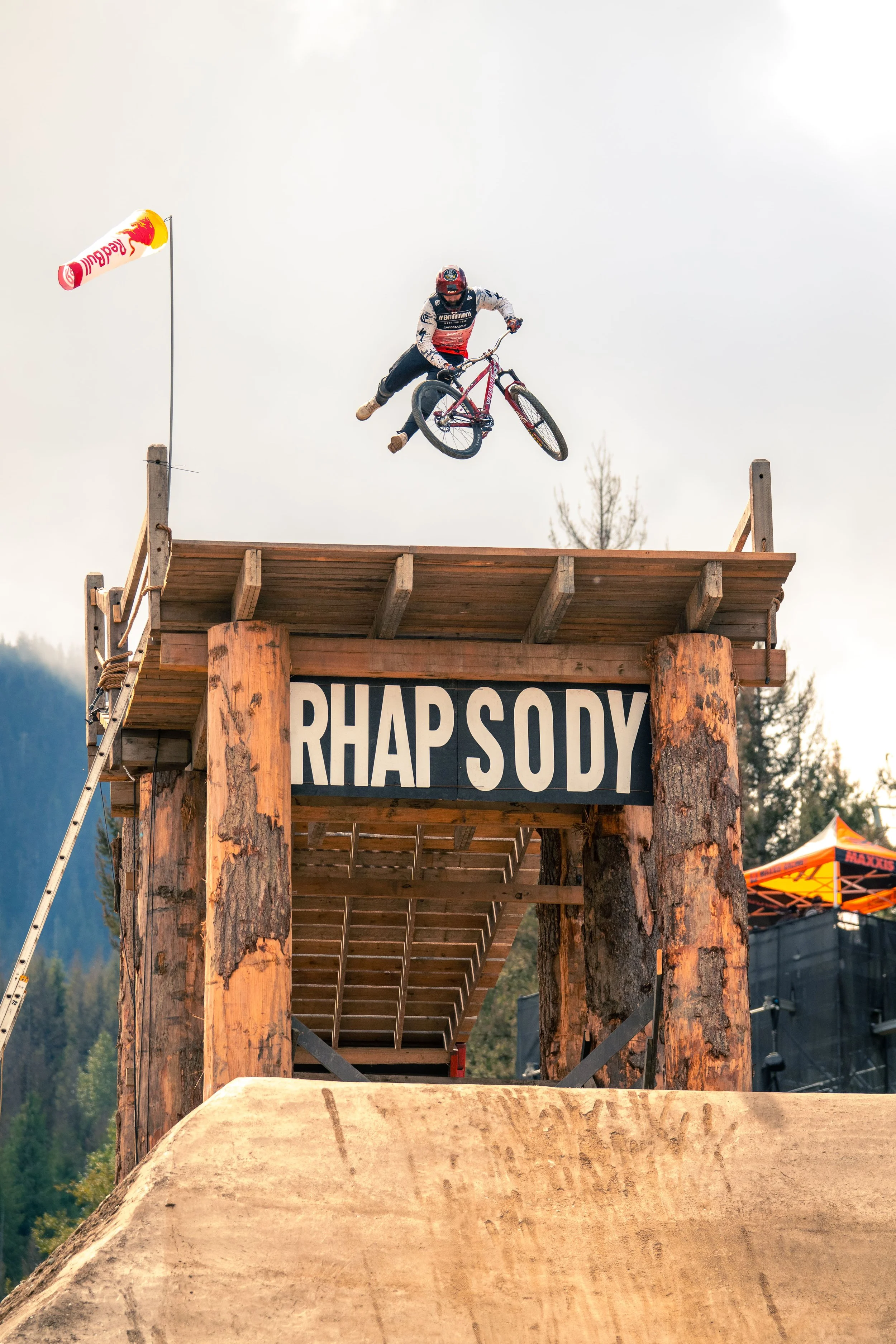
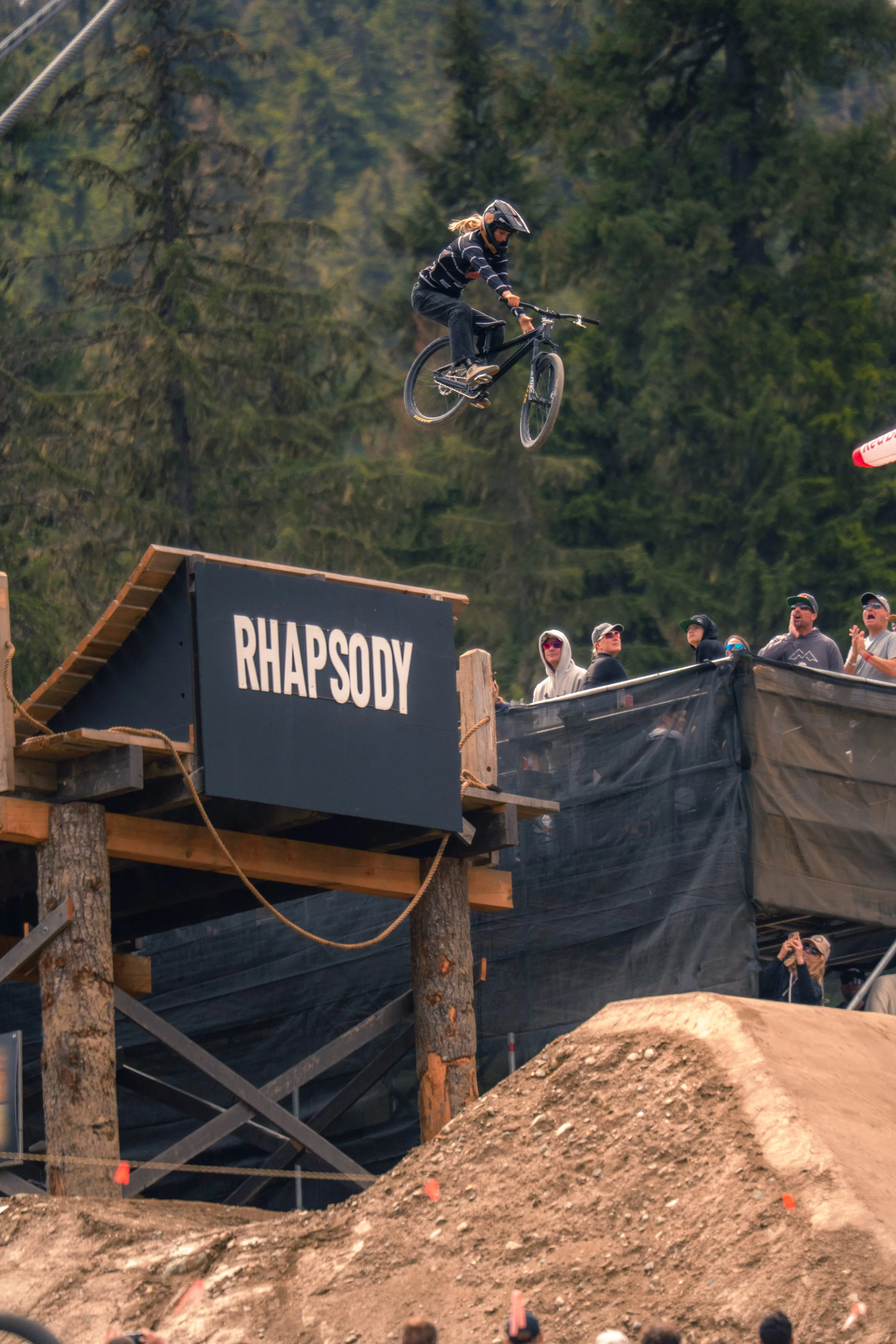
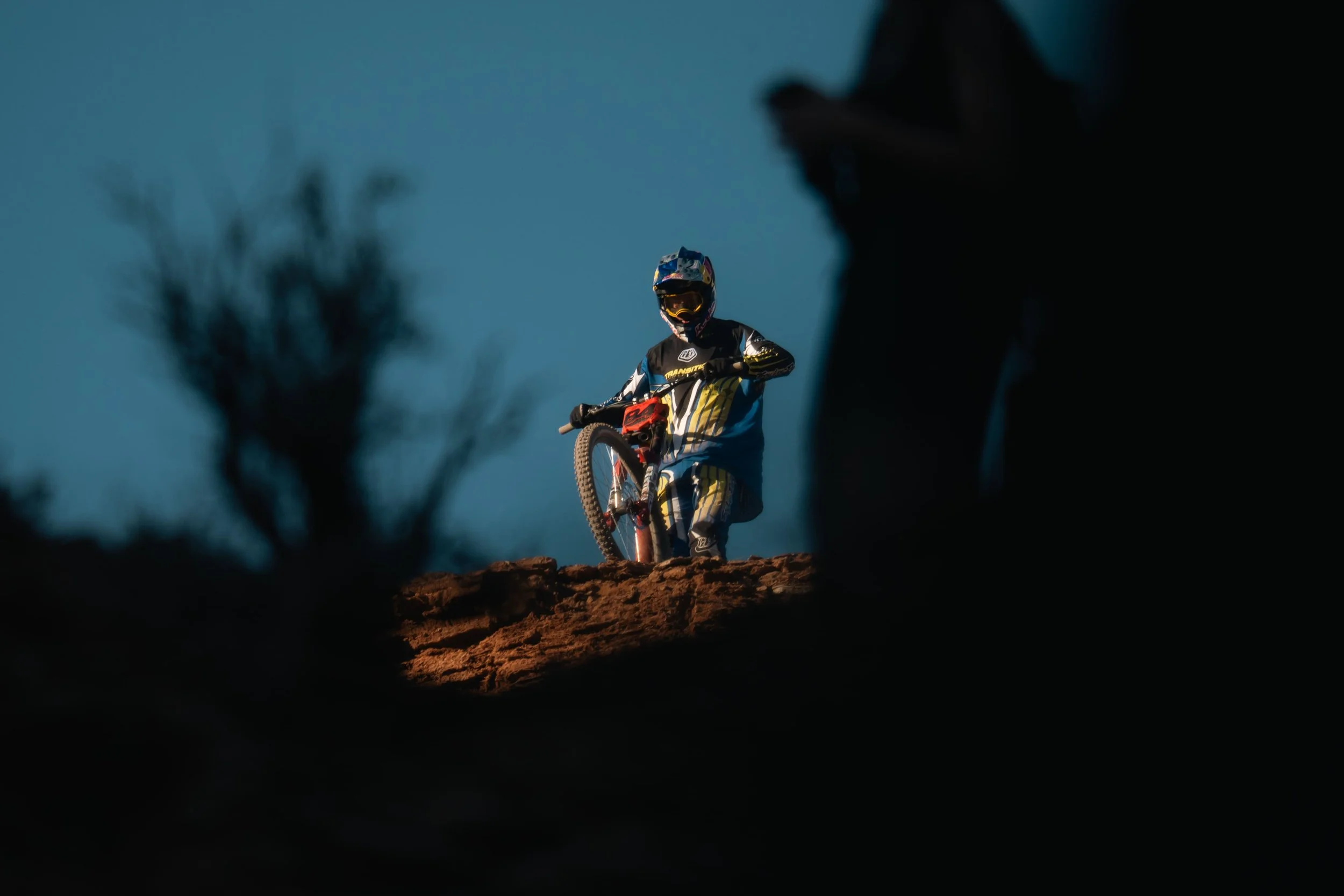
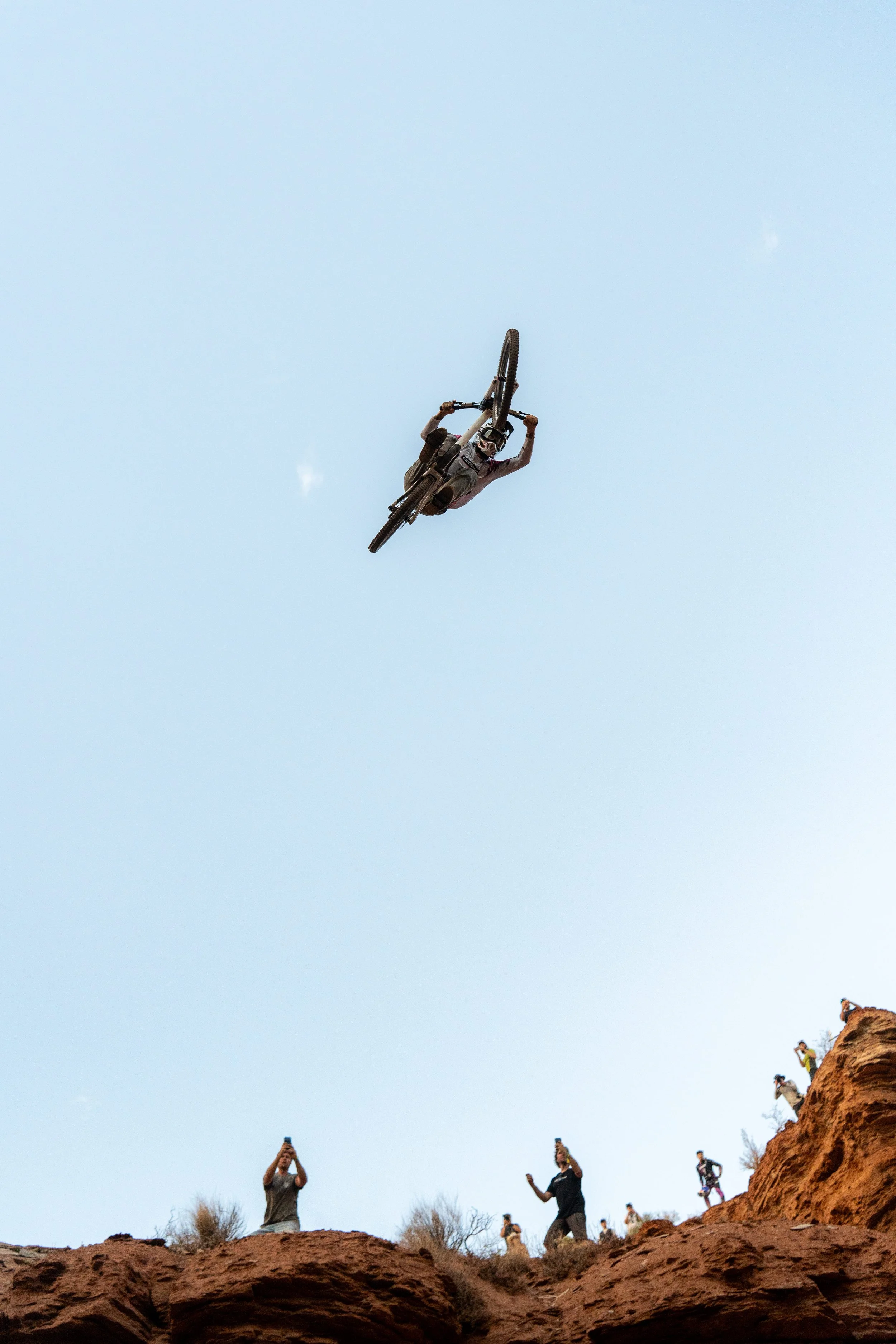
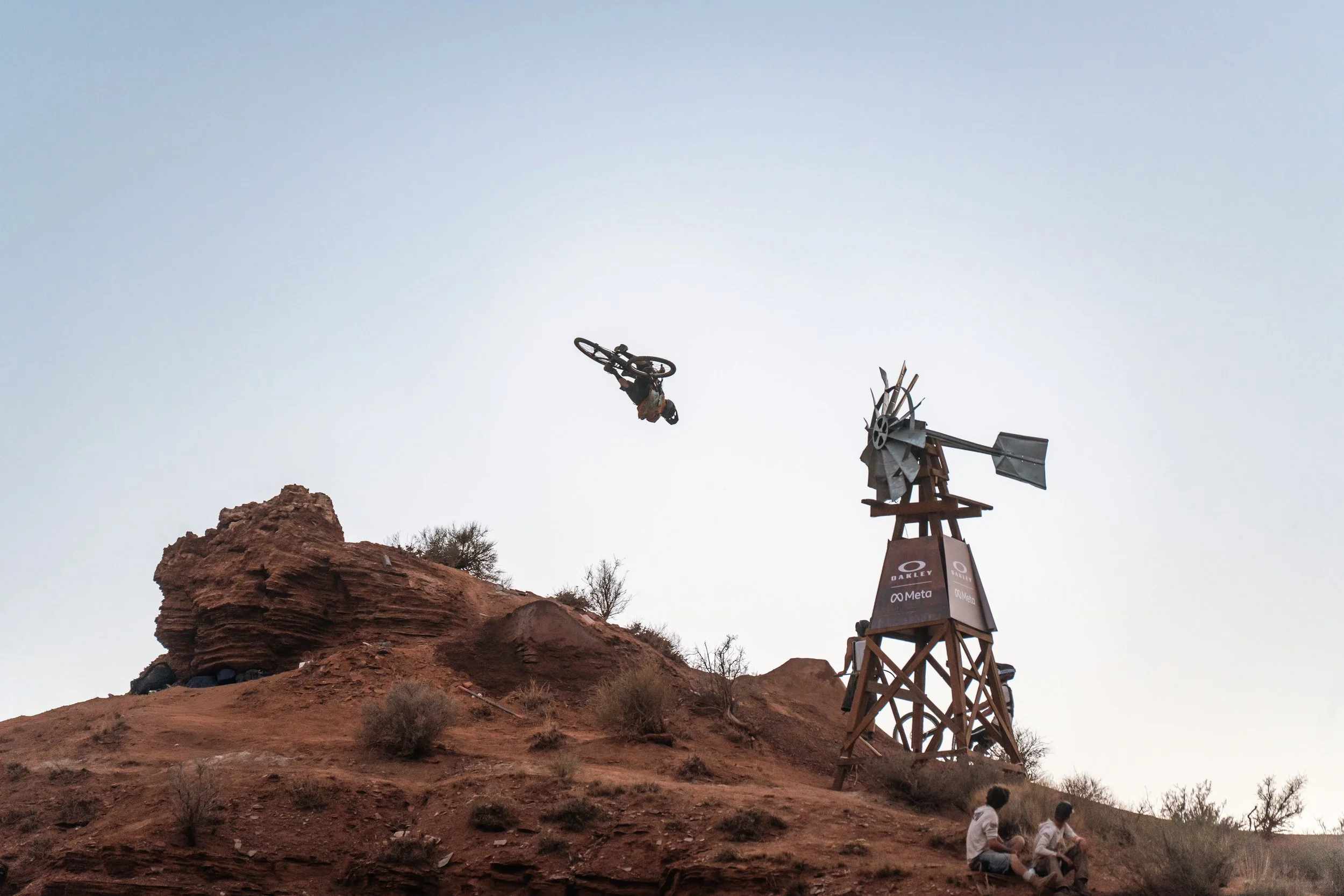
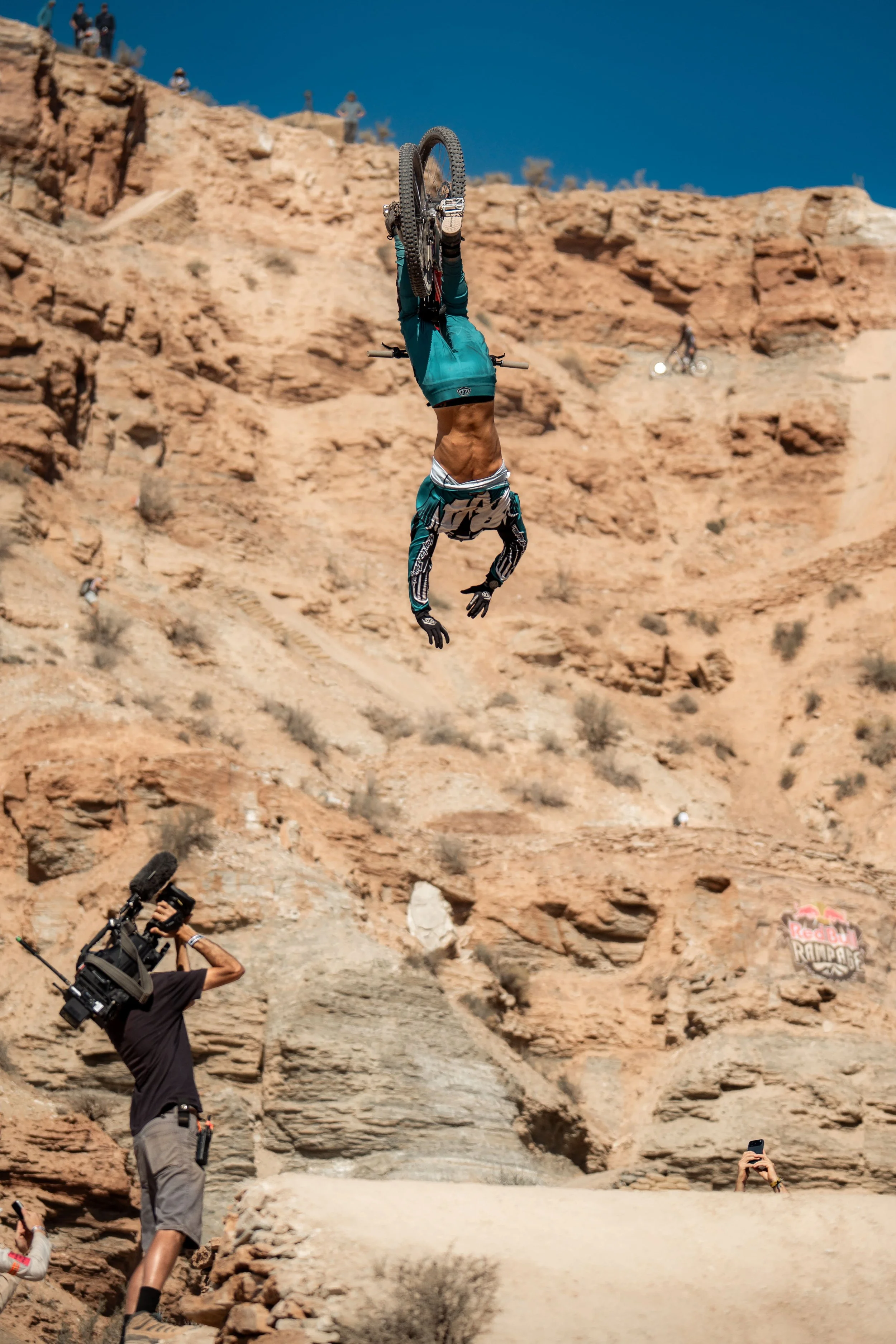
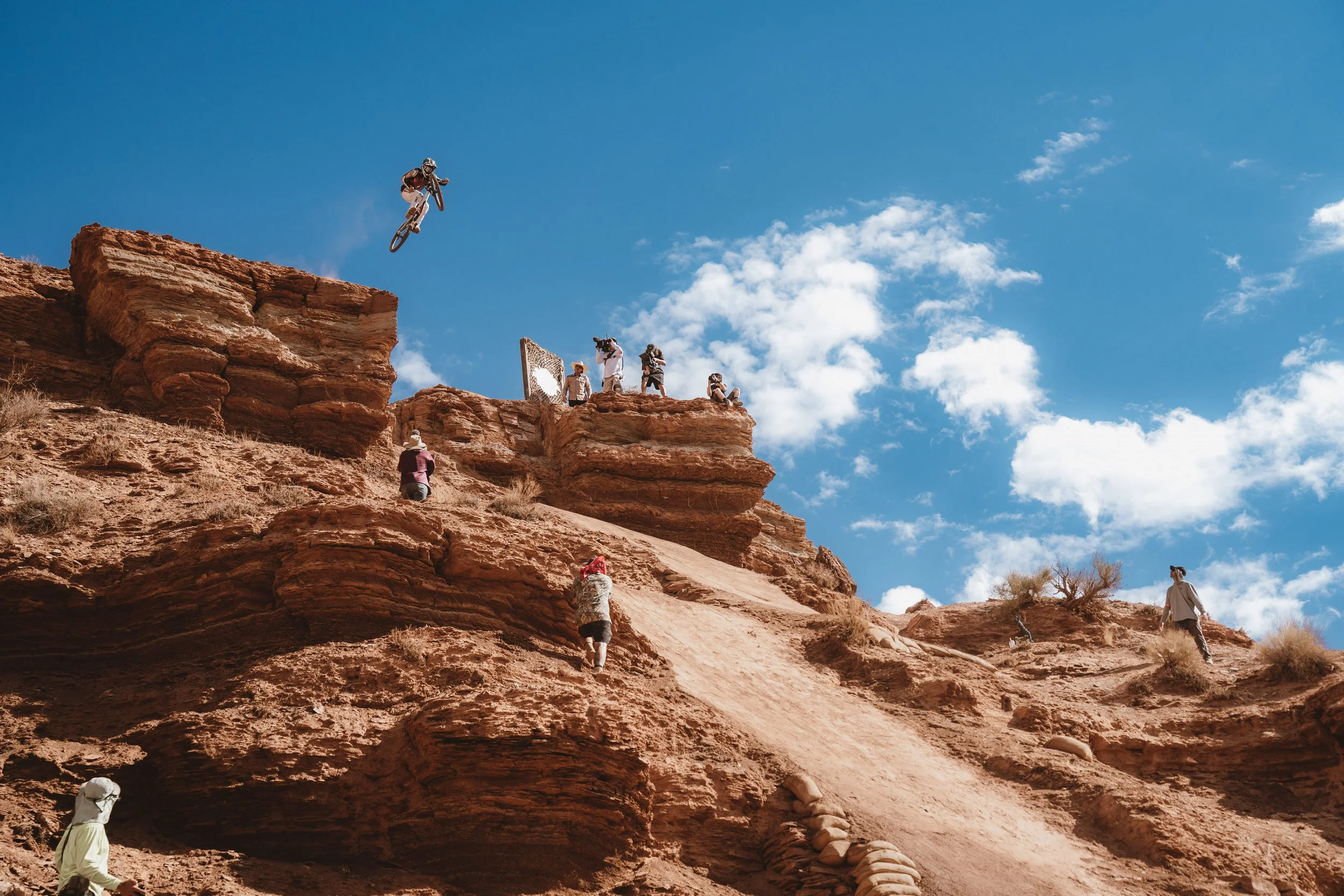
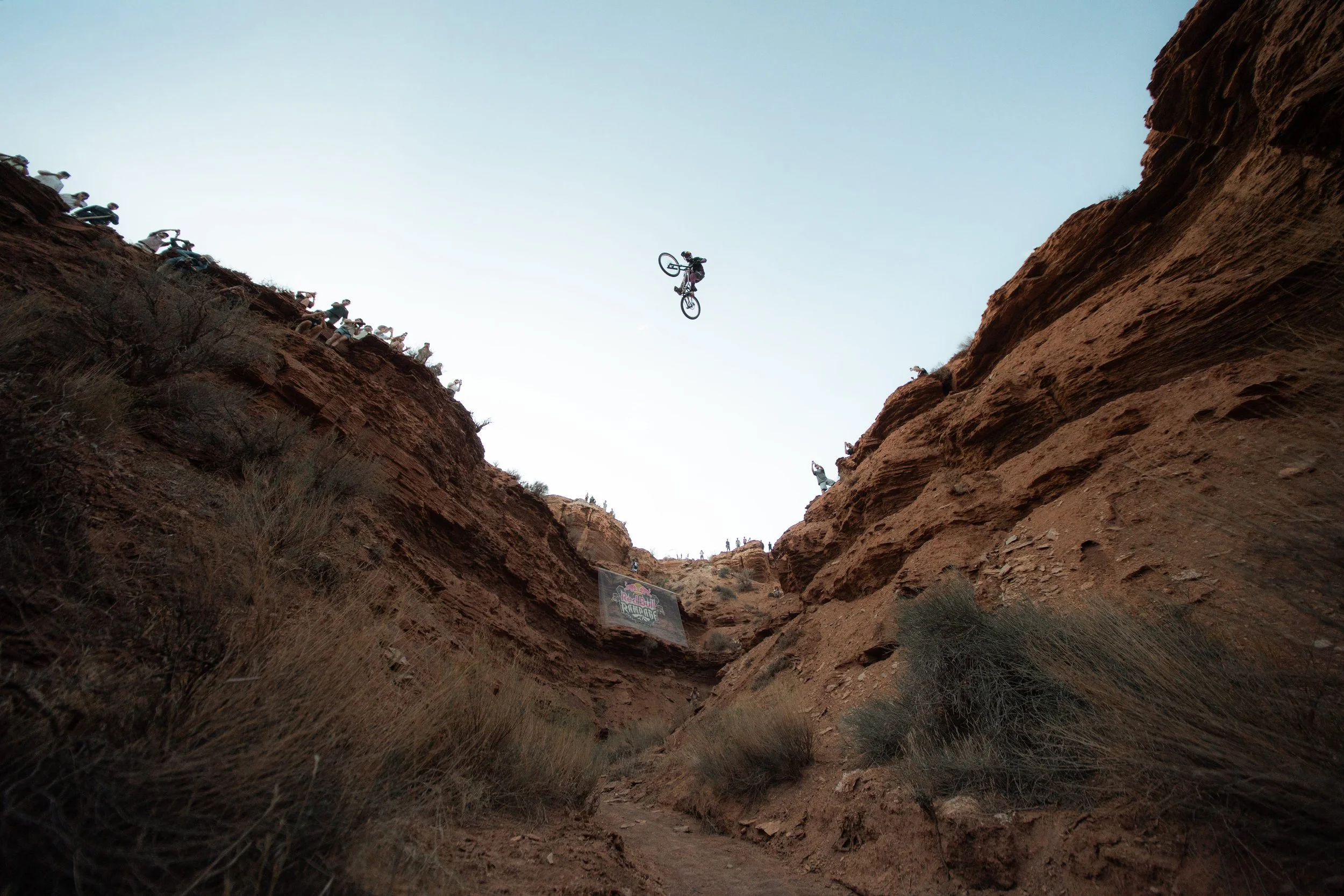
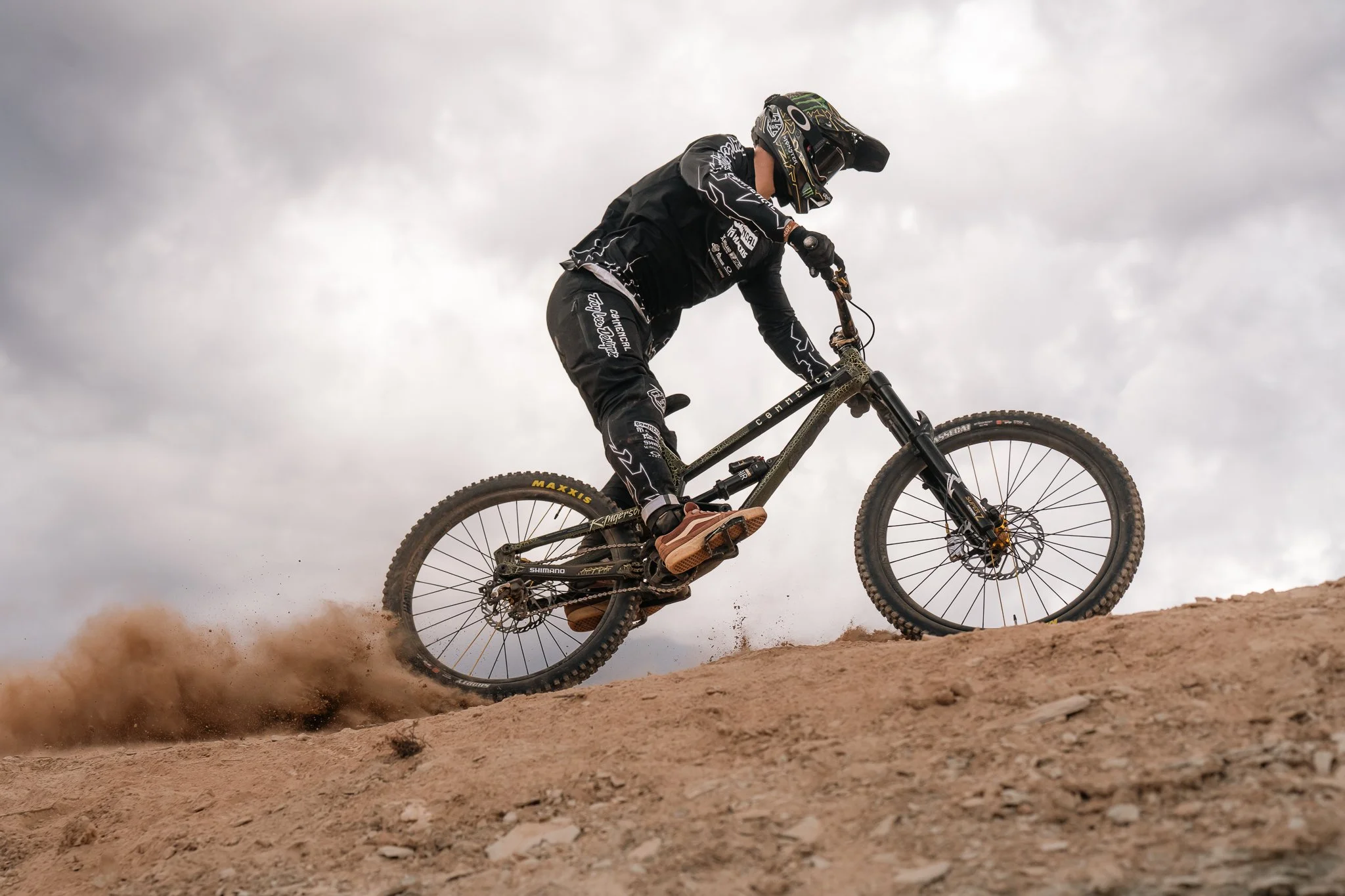
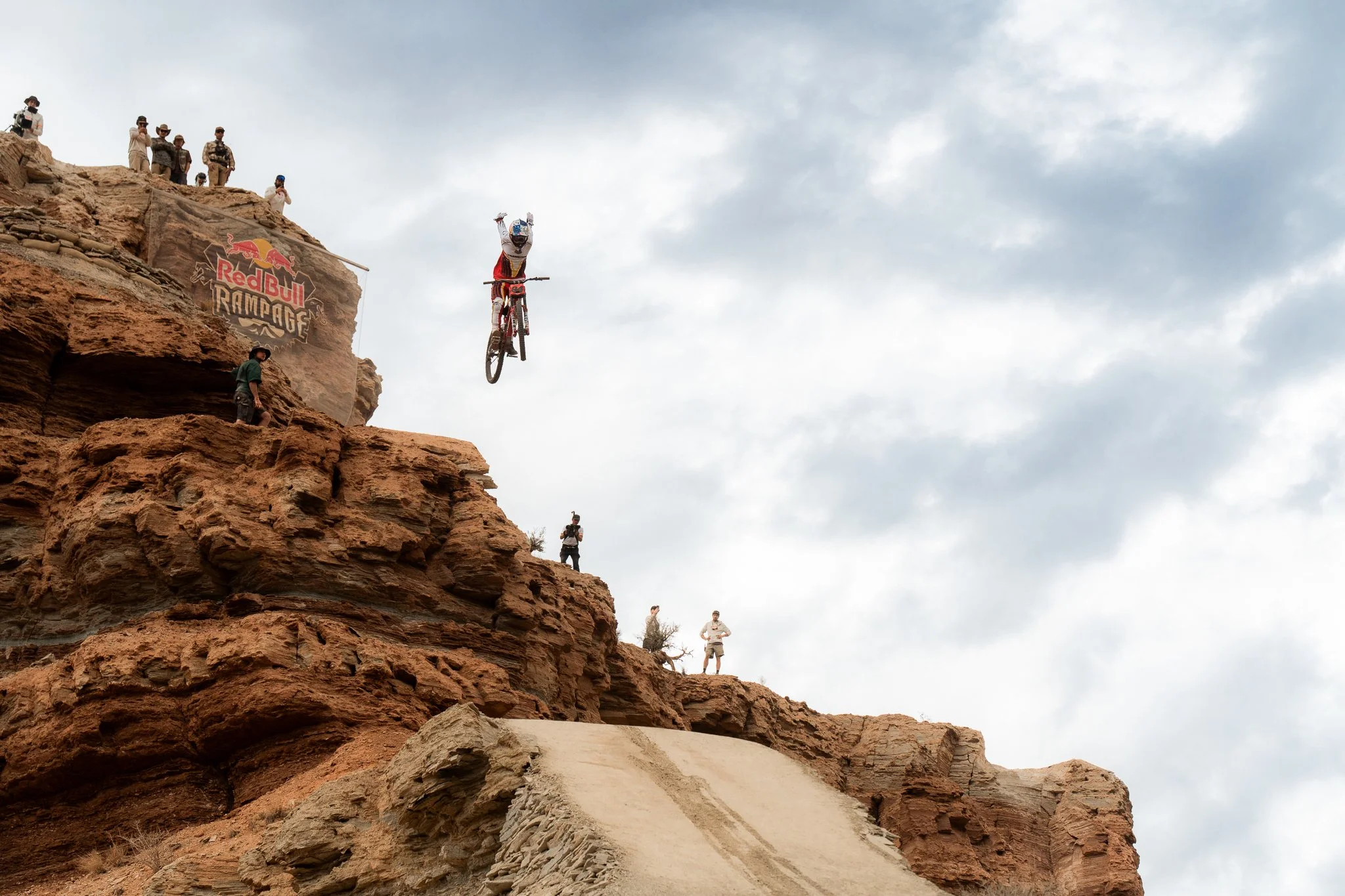
The purest expression of freeride on a global stage has been Red Bull Rampage in Utah, where riders and their dig teams spend days sculpting lines on raw desert ridgelines before riding them. BC riders have been central to that story. Vancouver Island’s Darren Berrecloth became one of the sport’s defining names, and Whistler’s Brandon Semenuk took the creative and technical bar to new heights. The Interior, with its drier terrain around Kamloops and Kelowna, produced riders like Wade Simmons, who helped define the early big mountain spirit.
Why It Photographs Like Nothing Else
Freeride is a photographer’s dream because nothing about it is generic.
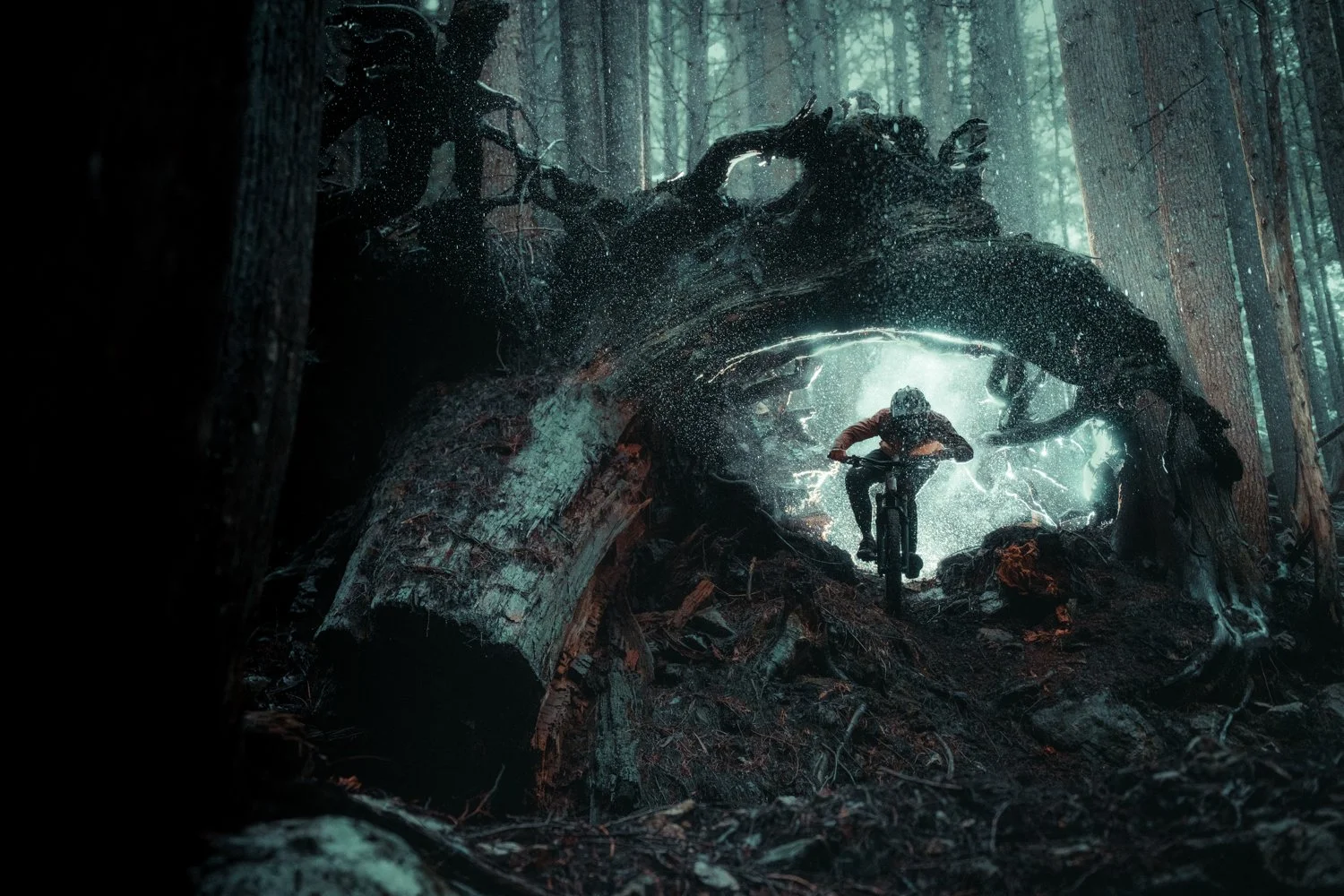
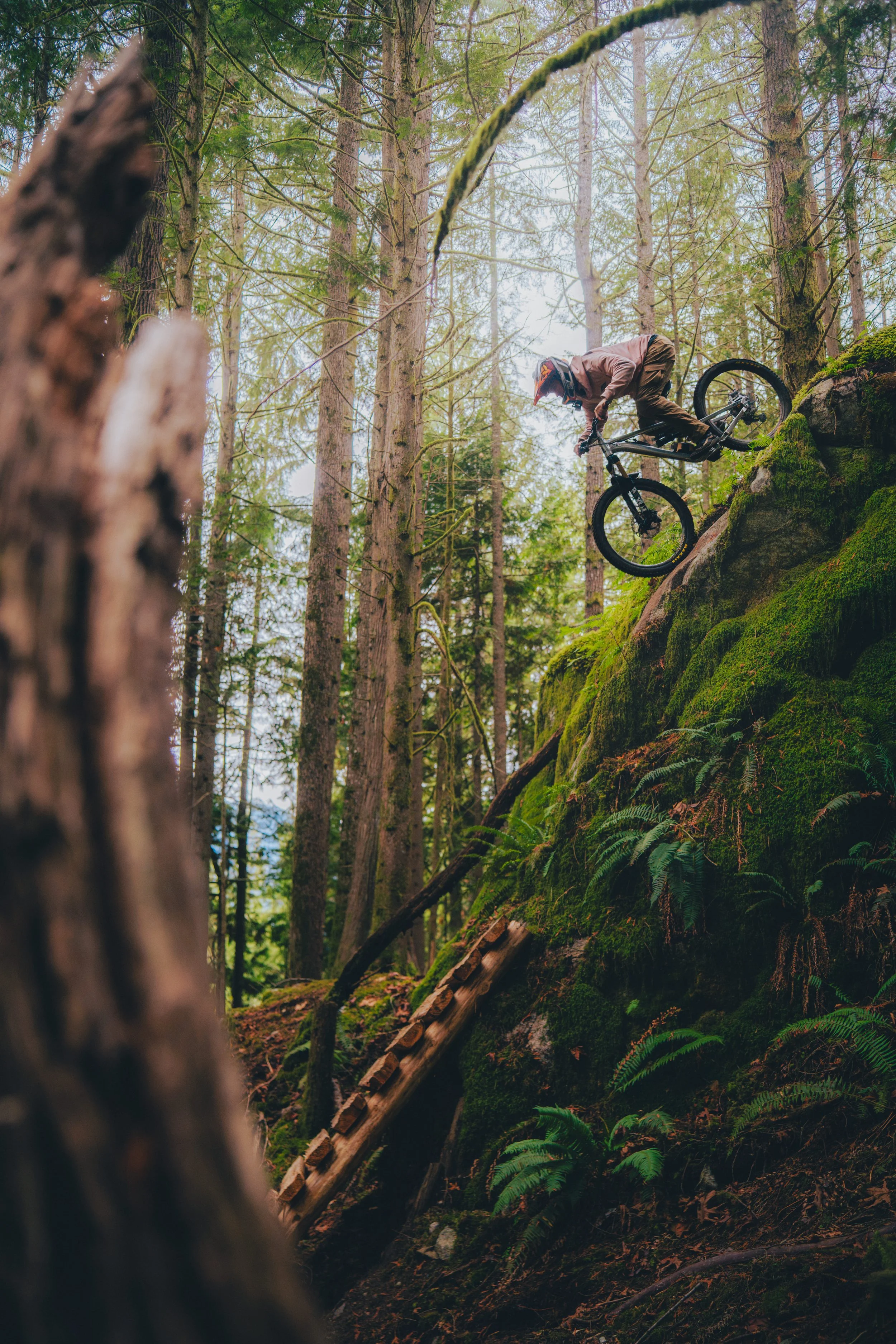
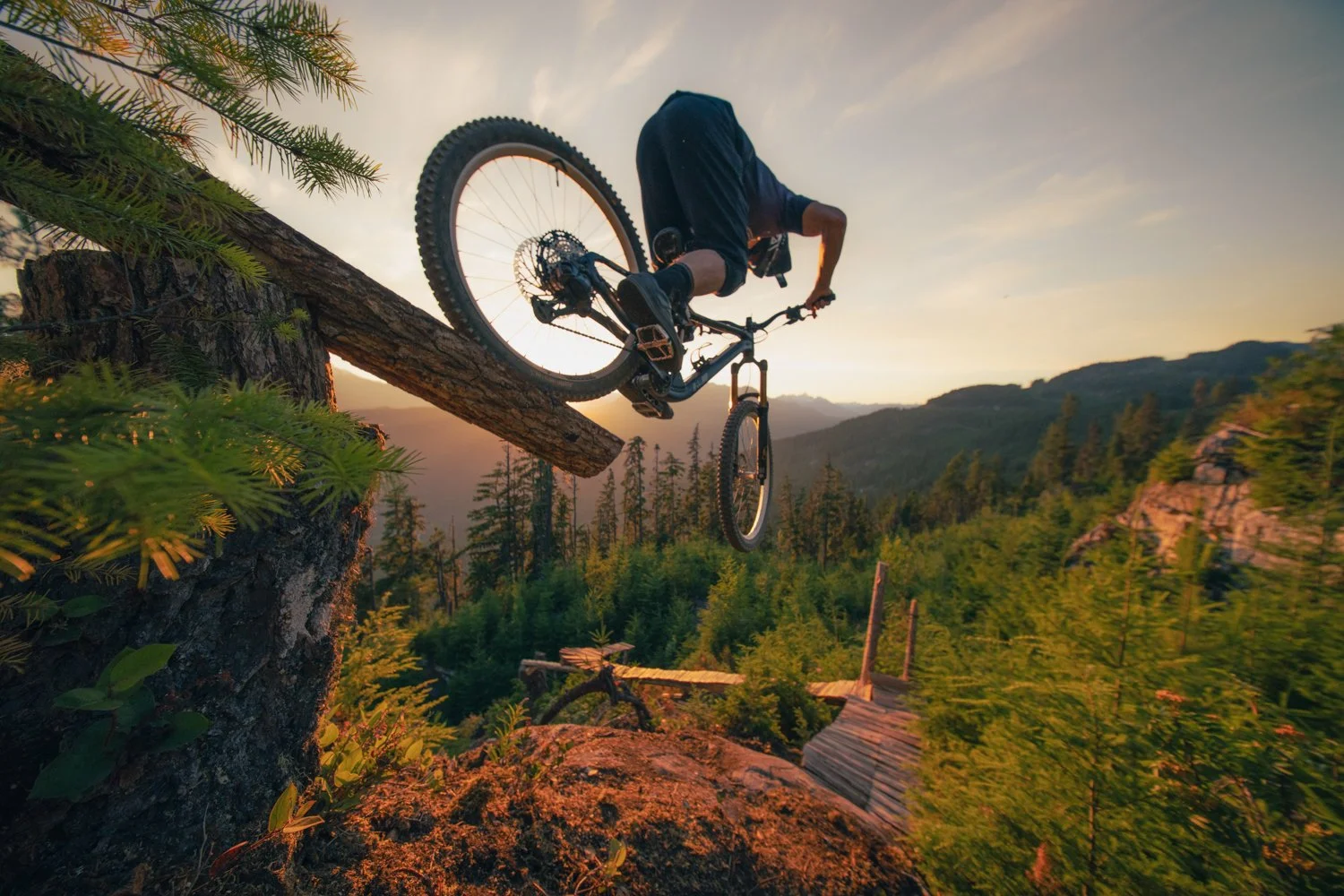
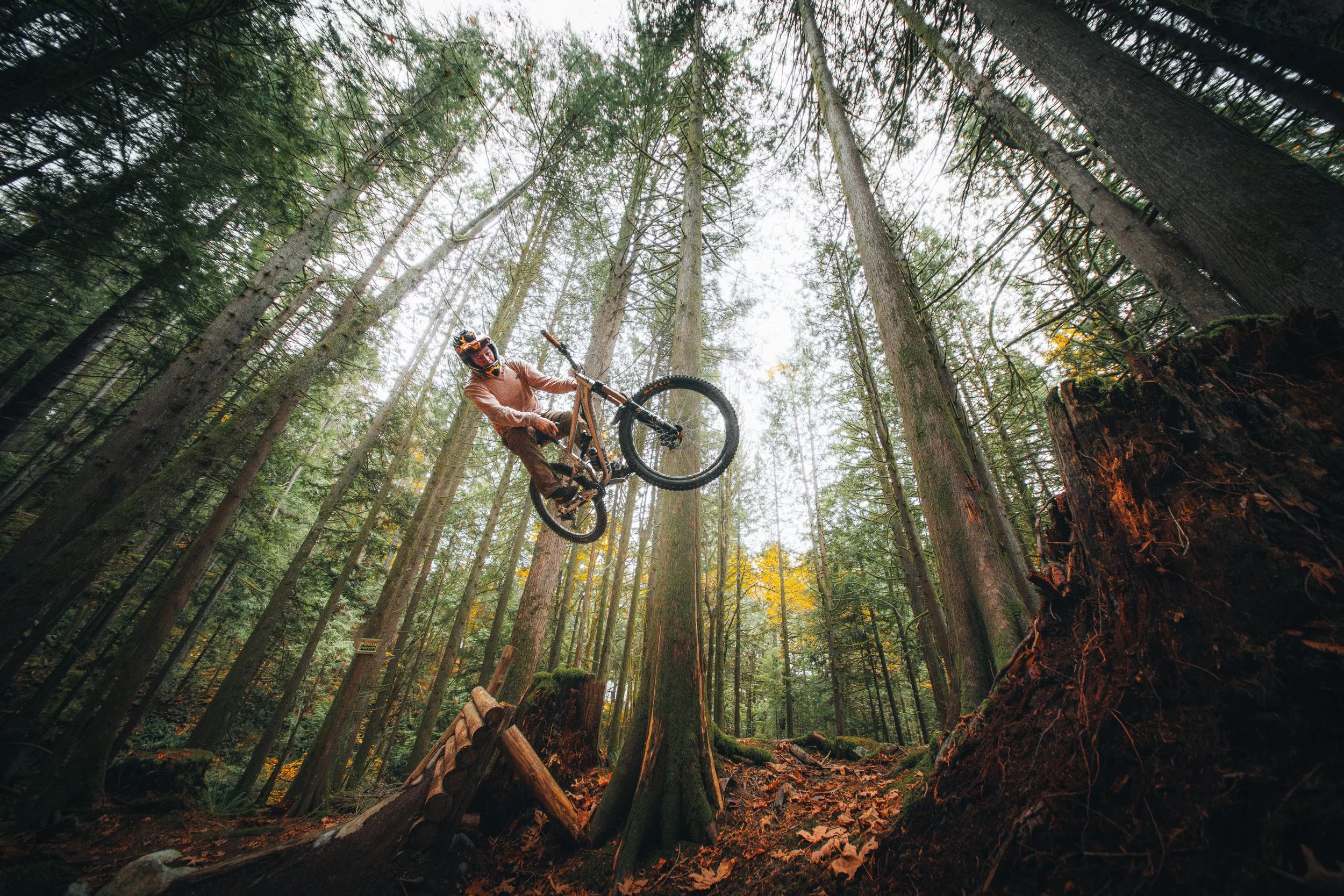
The terrain is the first reason. BC gives you moss draped rainforest, granite slabs, alpine ridgelines, and dry Interior hills, often within a few hours of each other. Every location has its own light, colour, and mood, and the lines built into them are one of a kind. A wooden drop in a misty cedar forest looks nothing like a gap jump on a sun baked ridge, and no two frames are ever alike.
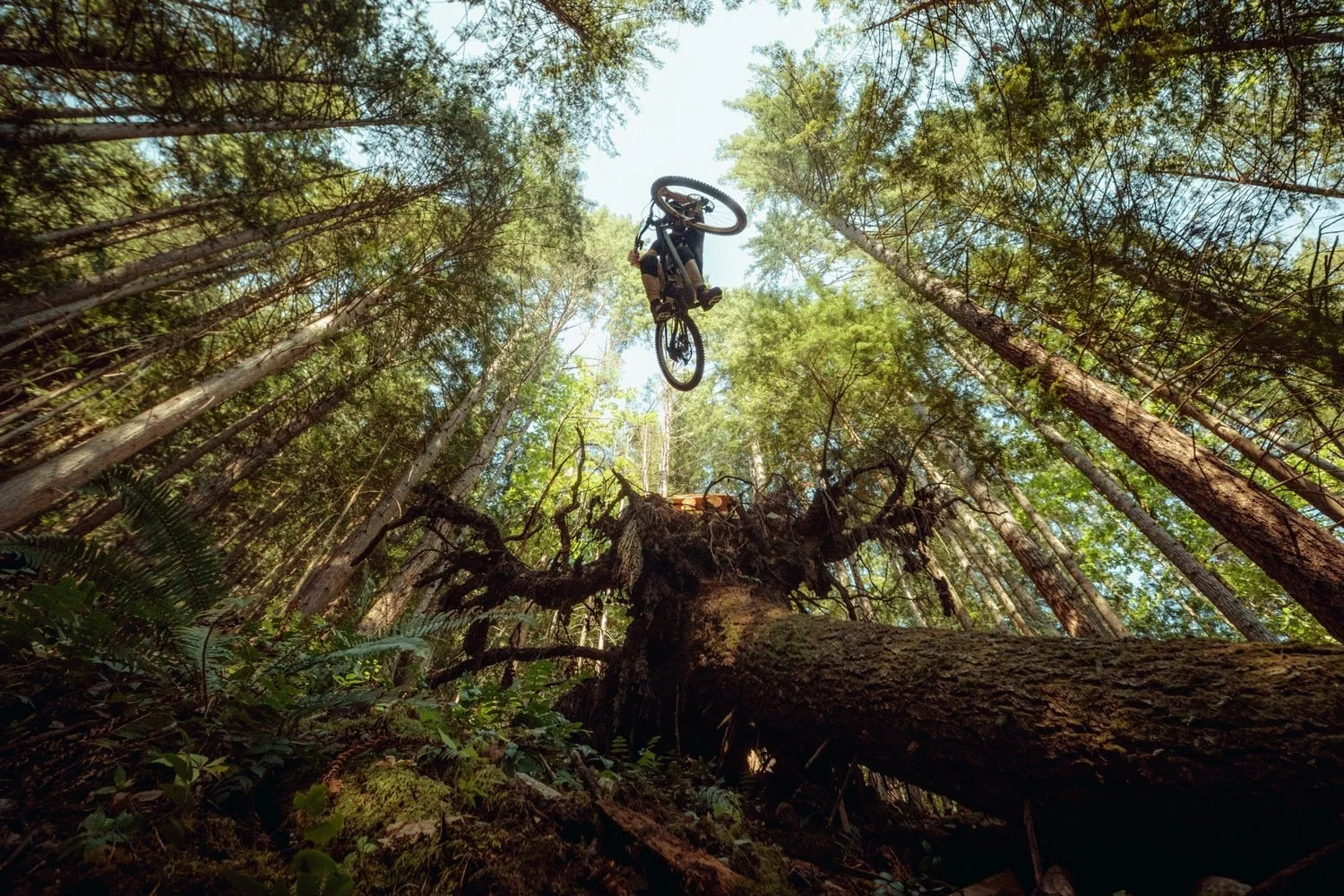
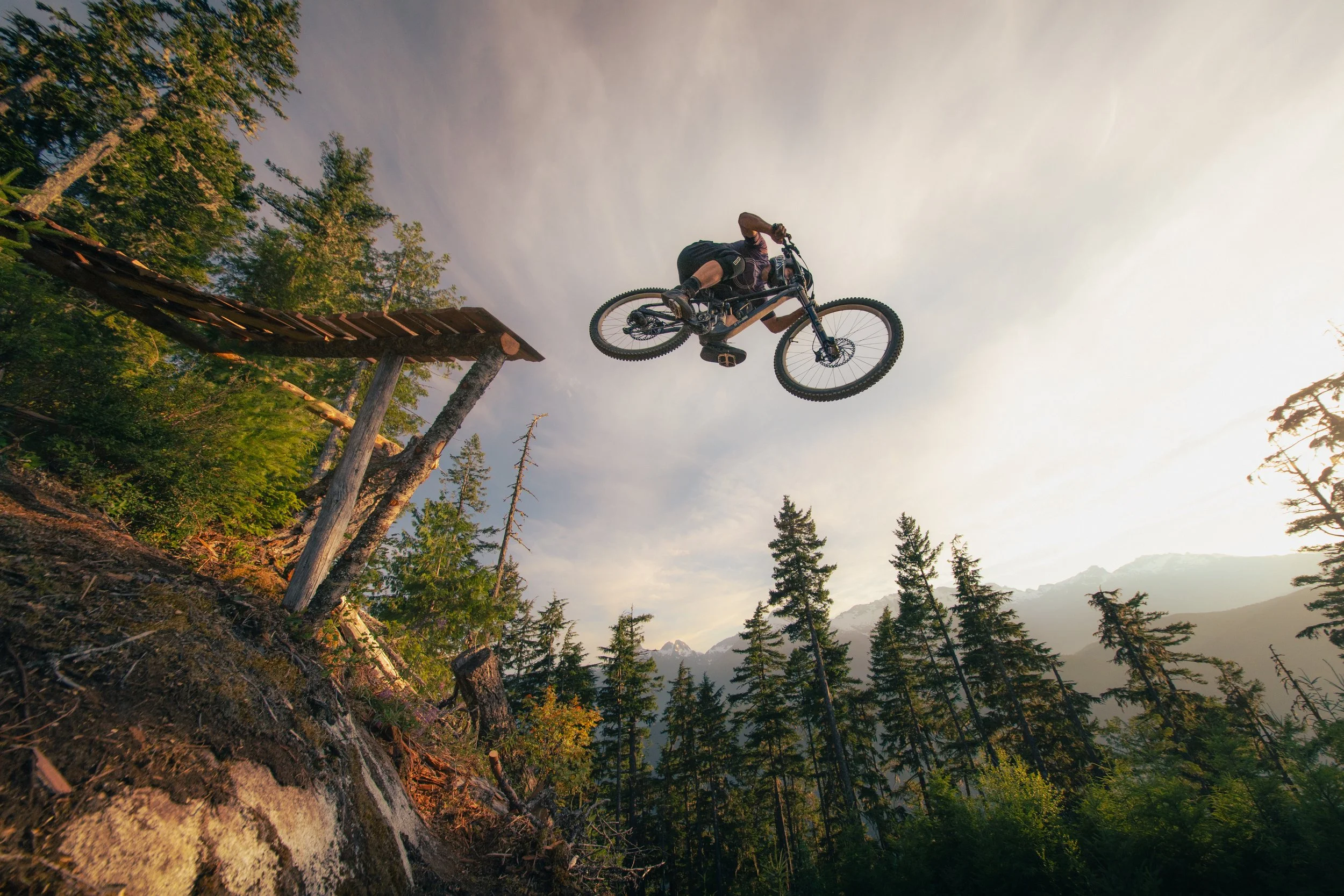
The riding is the second. Freeride is full of moments that feel suspended in time: a rider hanging above a landing, a bike laid over in a corner at the edge of a drop, a line that looks impossible until someone rides it. It’s creativity in motion, and that gives a camera something genuinely new to capture.
The third reason, and the one I care about most, is the people.
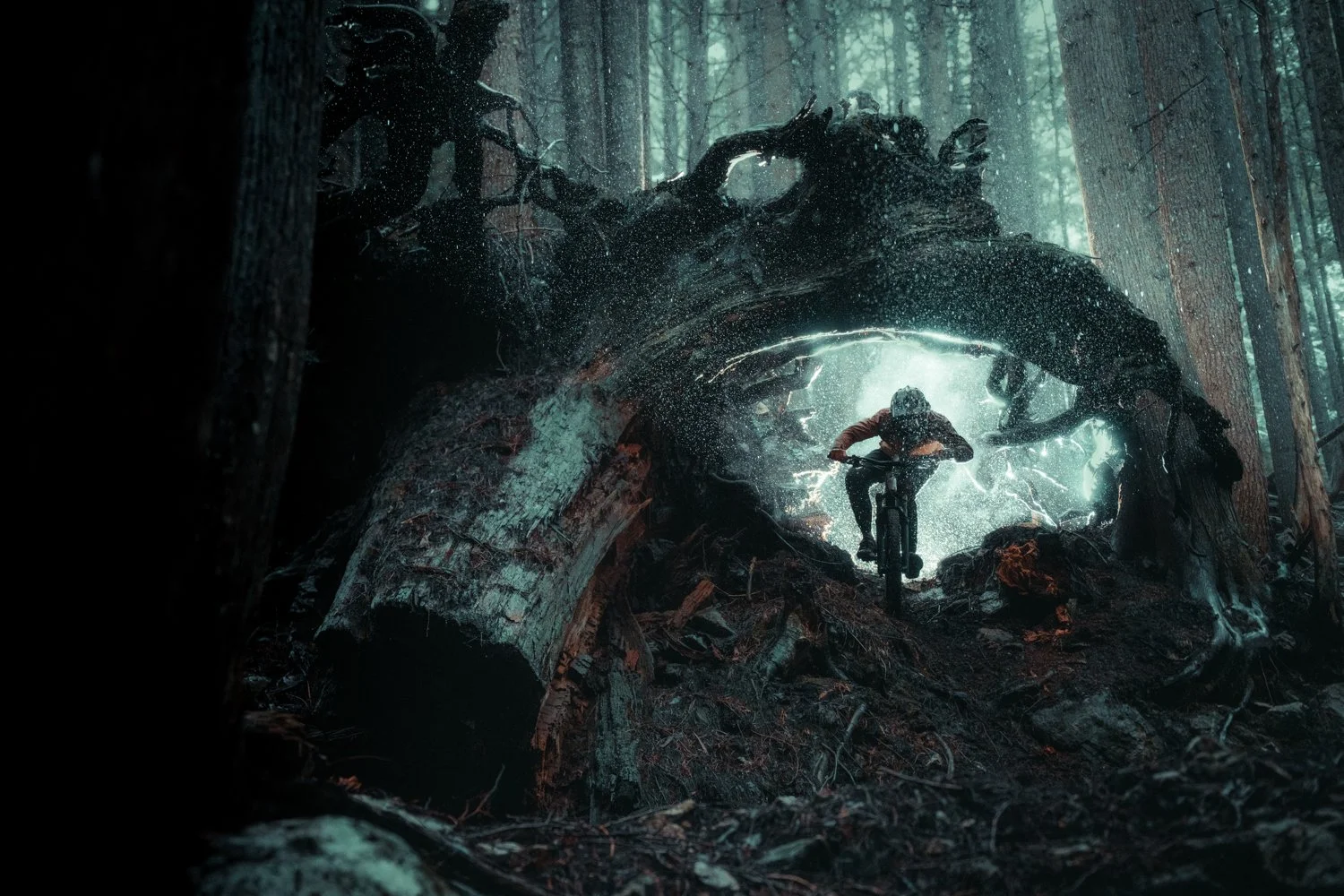
One of my personal favourites @PatrikChomist
The Riders Are the Builders
Here’s what sets this discipline apart from almost every other sport: most of the time, the person riding the line is the person who built it.
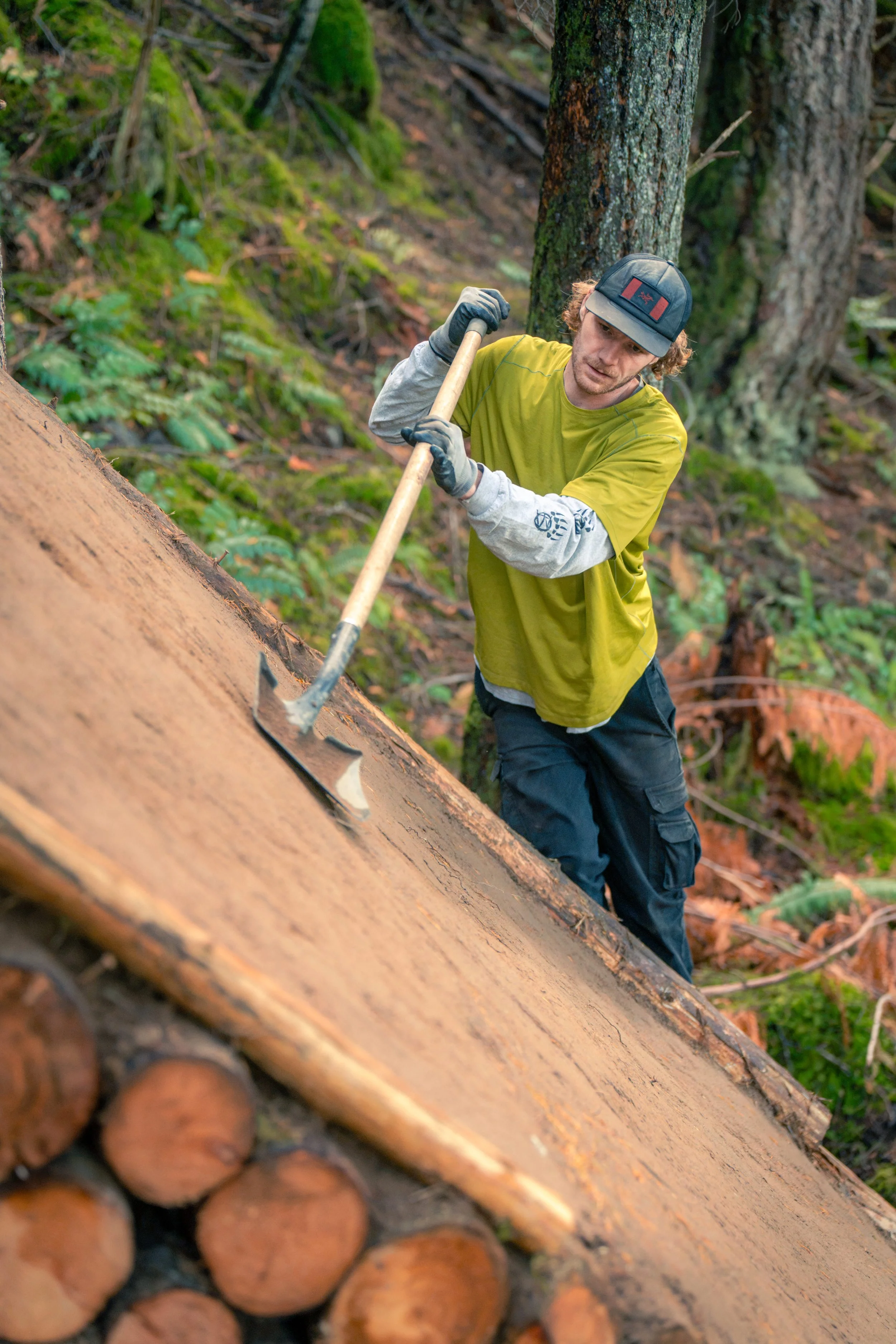
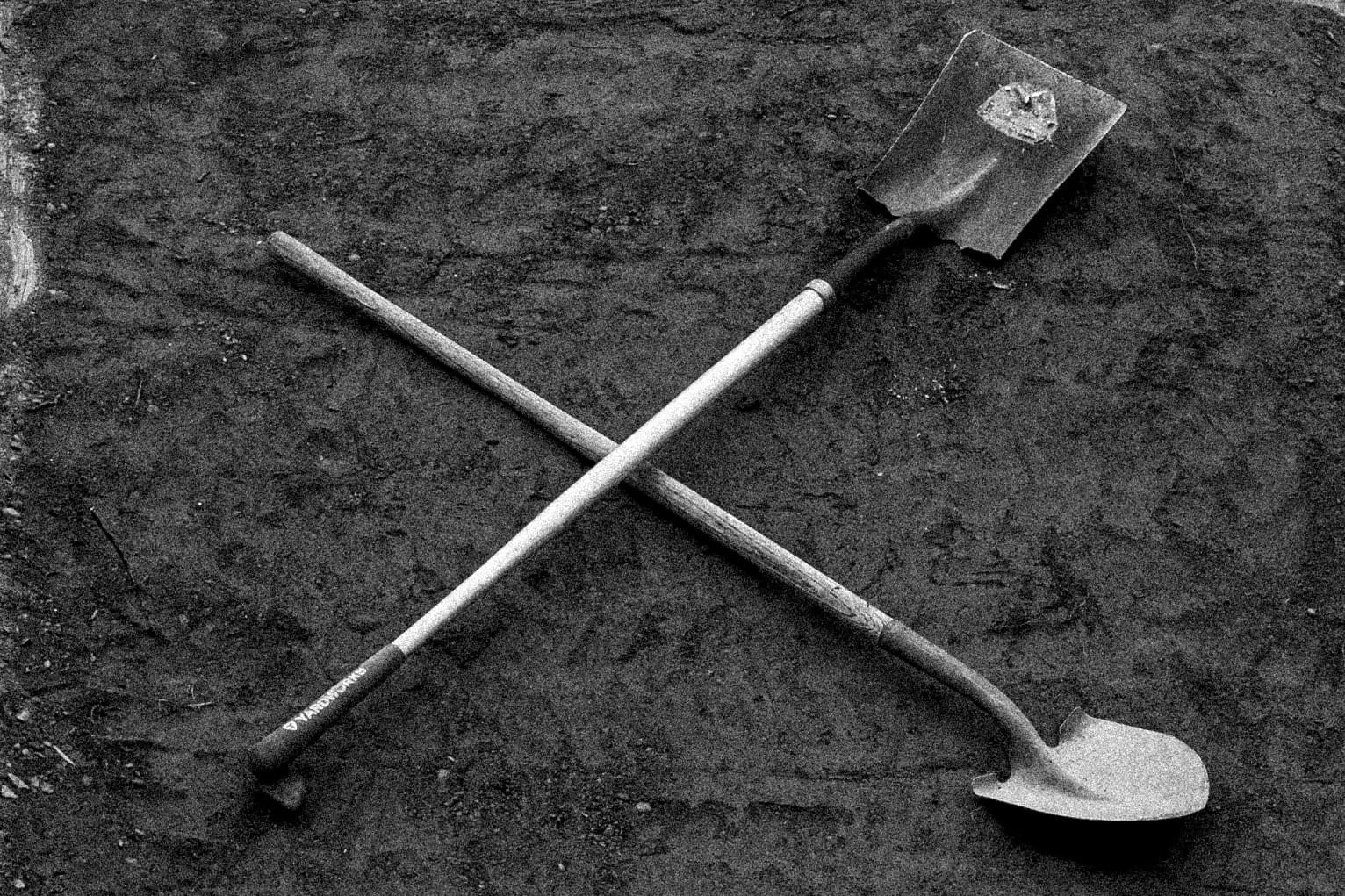
A great freeride line is a piece of design. Someone has to read the terrain, imagine the flow, and work out the geometry. How steep can that landing be? Where does the speed come from? How do you link one feature into the next so the rider arrives at each moment with just the right mix of confidence and fear? The rider answers those questions with a shovel in their hands, spending weeks or months hauling dirt, cutting wood, and shaping transitions, then tests it all with their own body.
That changes everything about what you’re looking at. When a rider commits to a drop, they aren’t trusting a course designer. They’re trusting their own judgment and their own hands. It’s sculpture, engineering, and athletics in one person, and it’s deeply personal. Give two riders the same hillside and they’ll build completely different lines, because each is expressing a different vision of what riding can be. Some are calm and calculated, some are loud and playful, and some are quietly obsessive. You can feel their personality in every berm and landing.
The Story Behind the Frame
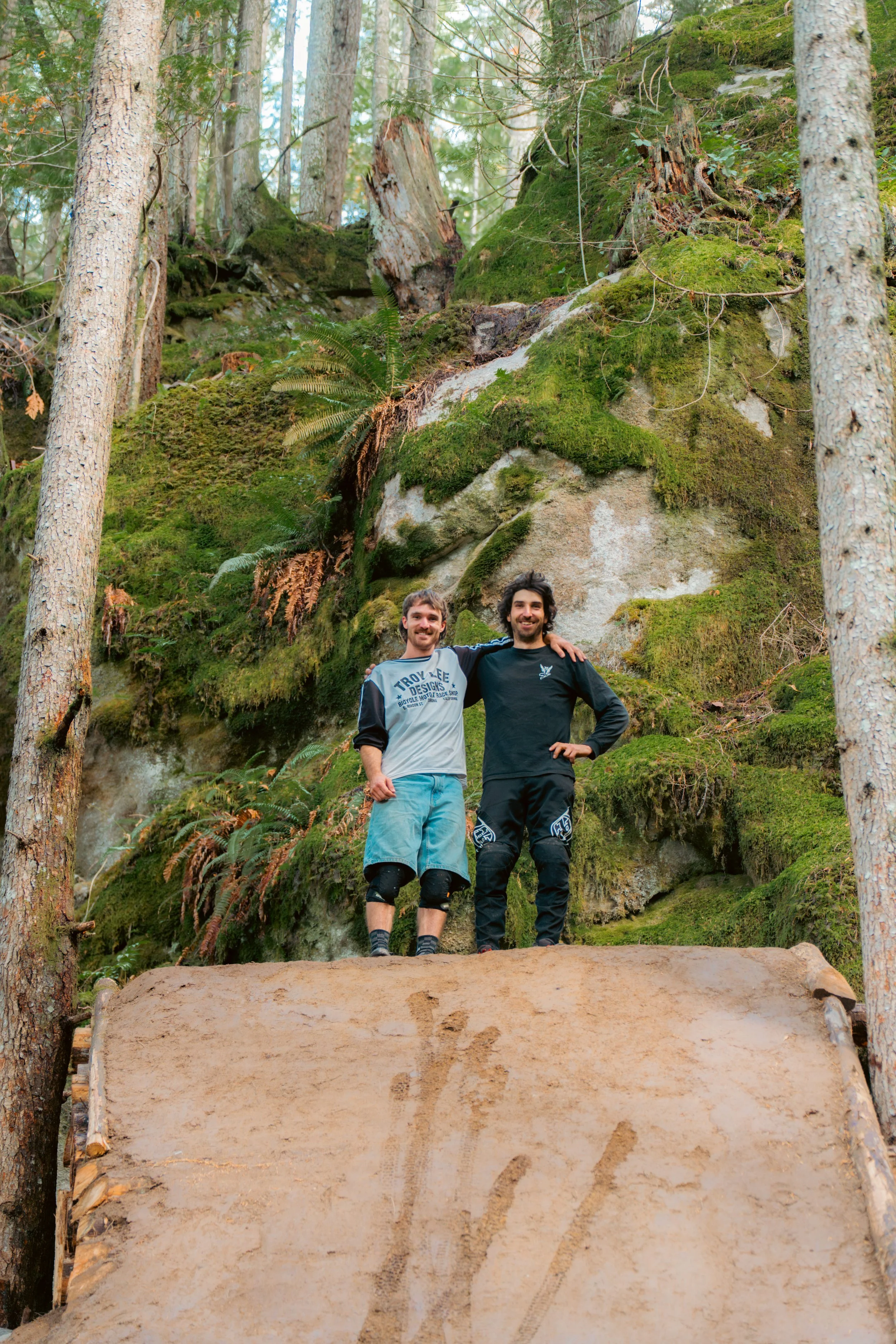
As a photographer, I get a front row seat to something most people never see. The finished photo shows a rider suspended above a landing, framed against the mountains. What it doesn’t show is everything that happened before the shutter clicked.
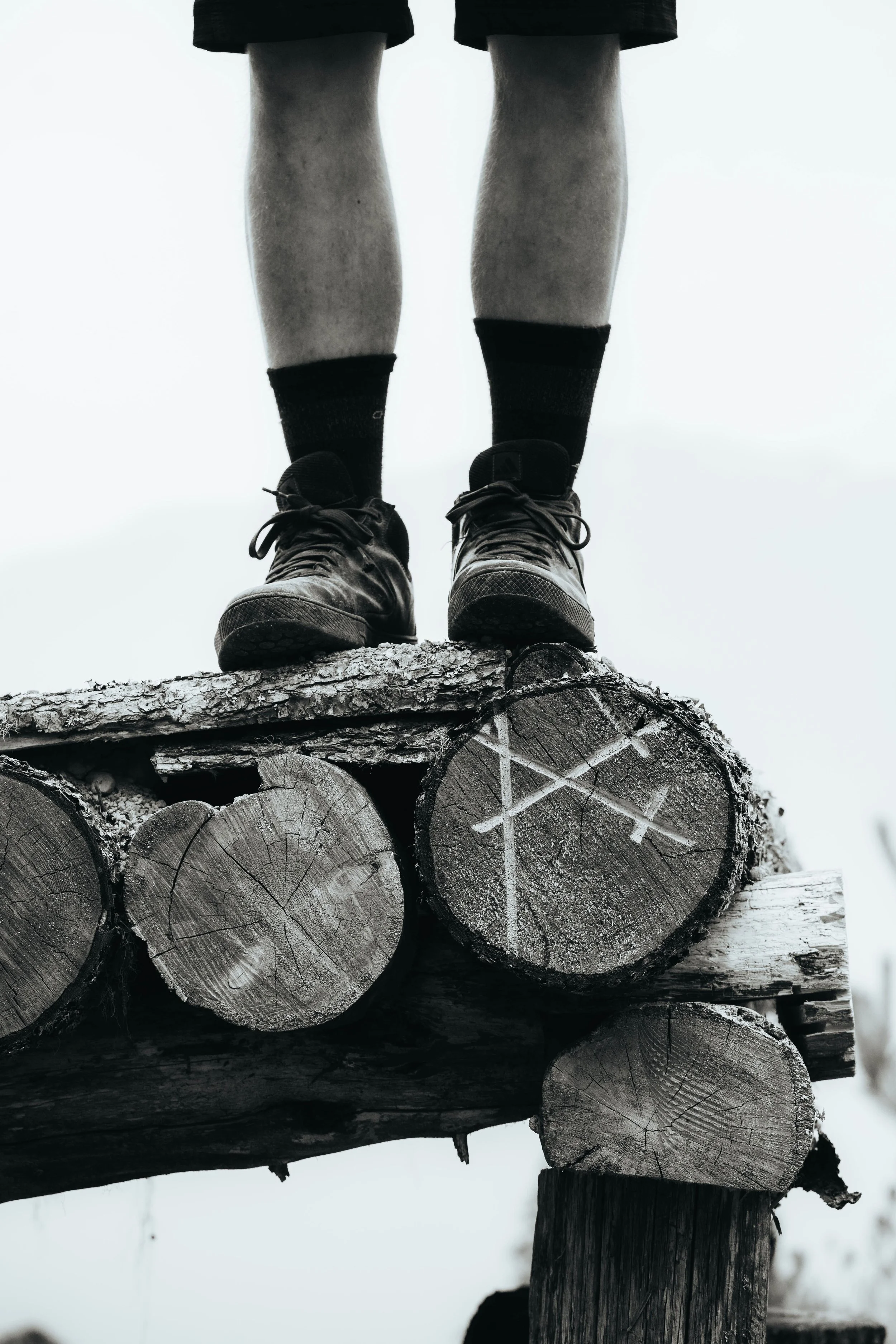
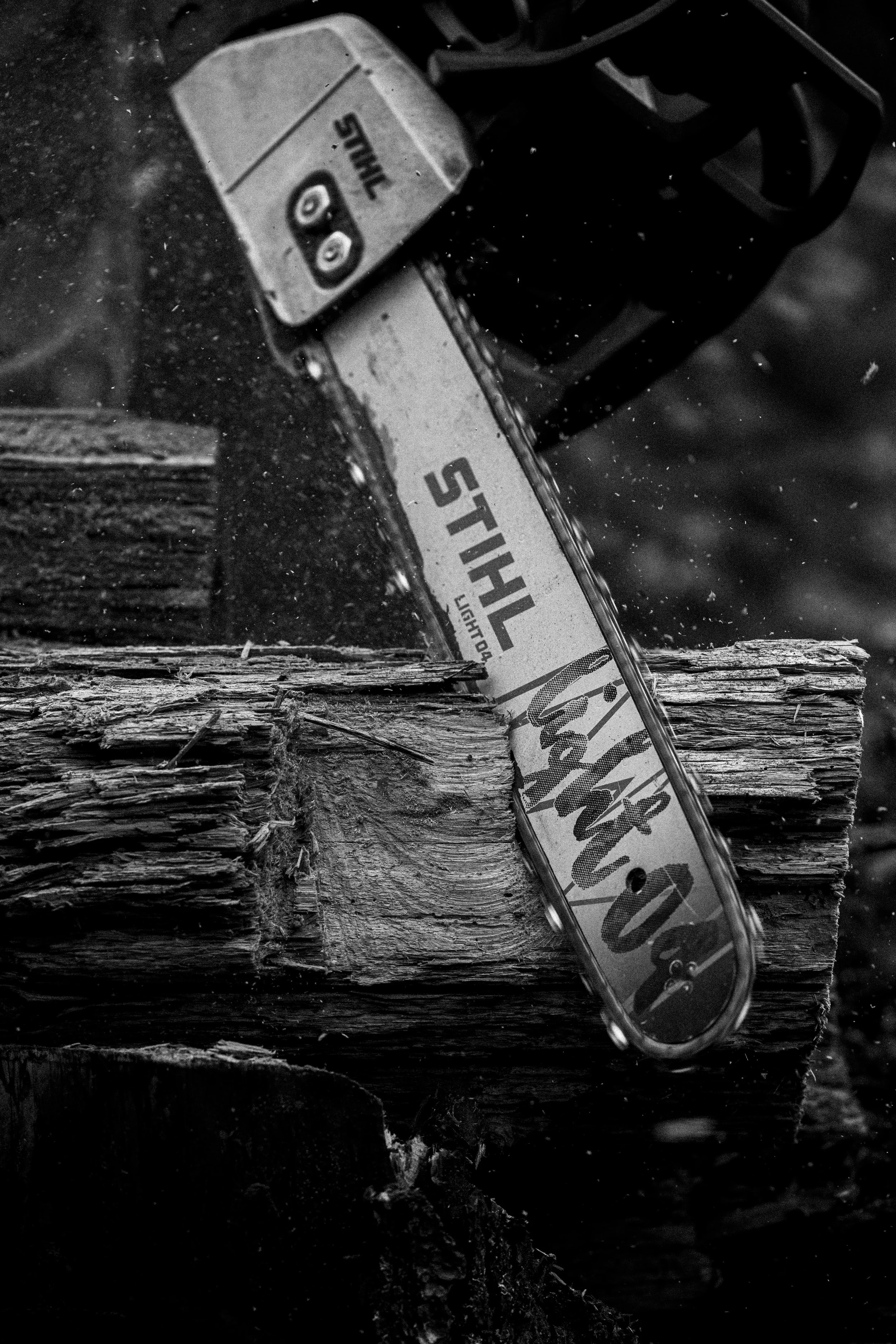
It doesn’t show the weeks of shovelling, the lumber hauled up the hill on someone’s back, or the failed attempts and rebuilds. It doesn’t show the rider who gave up their weekends, their savings, and sometimes their body to make a vision real. Much of this work is unpaid, with no contract, no sponsor cheque, and often no credit. A lot of the best lines in BC exist because someone cared enough to build them for nothing, and then put their own body on the line to ride them.
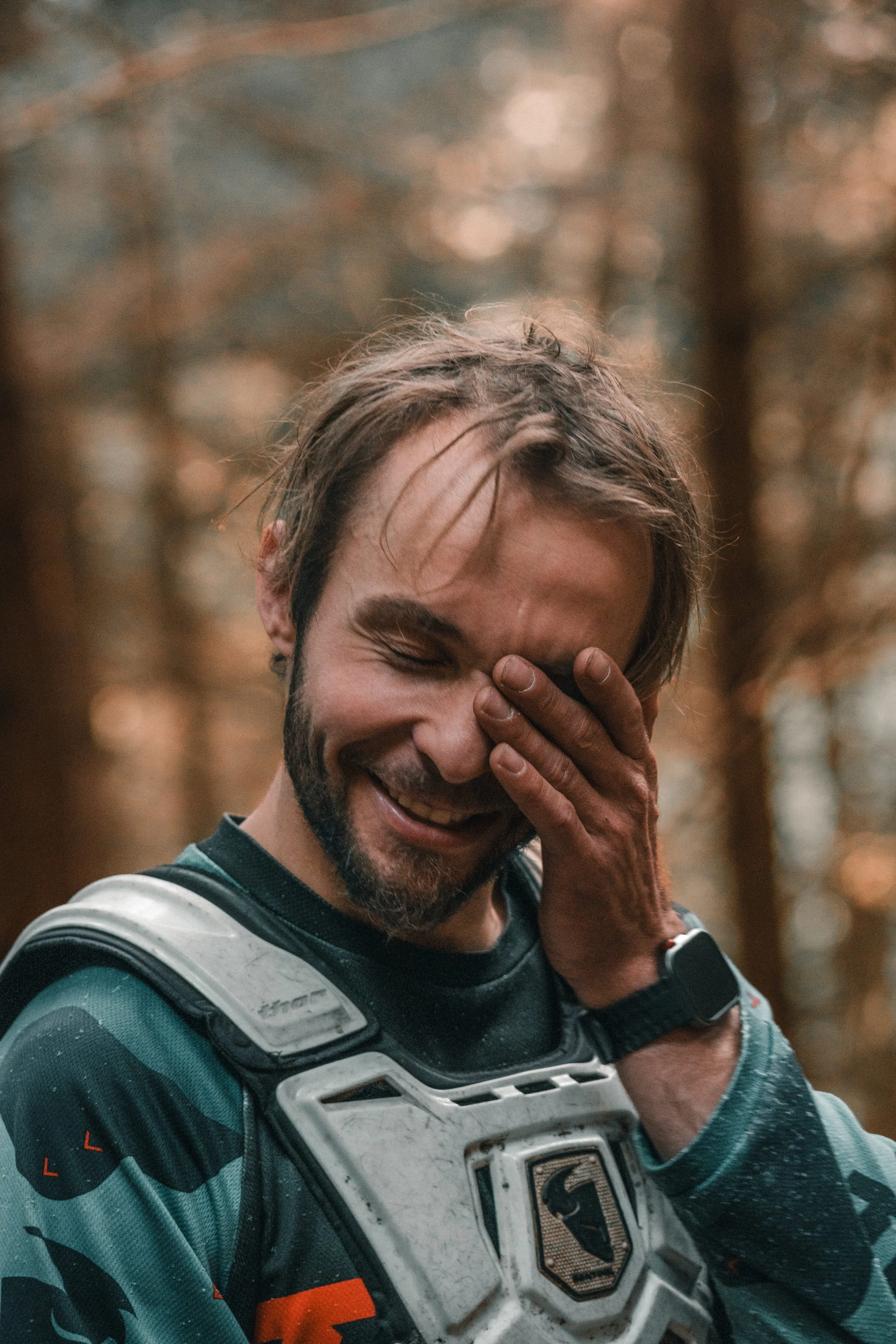
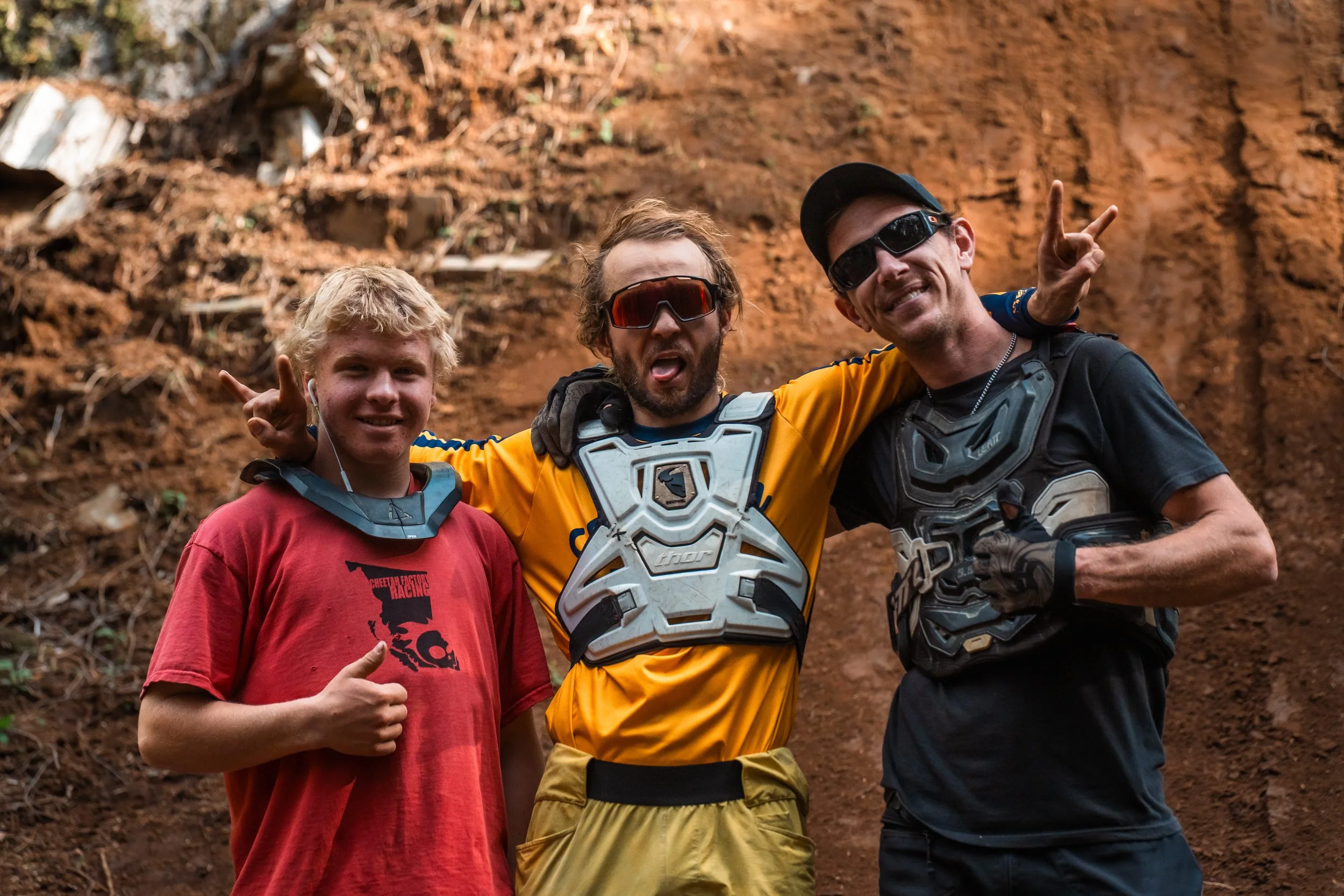
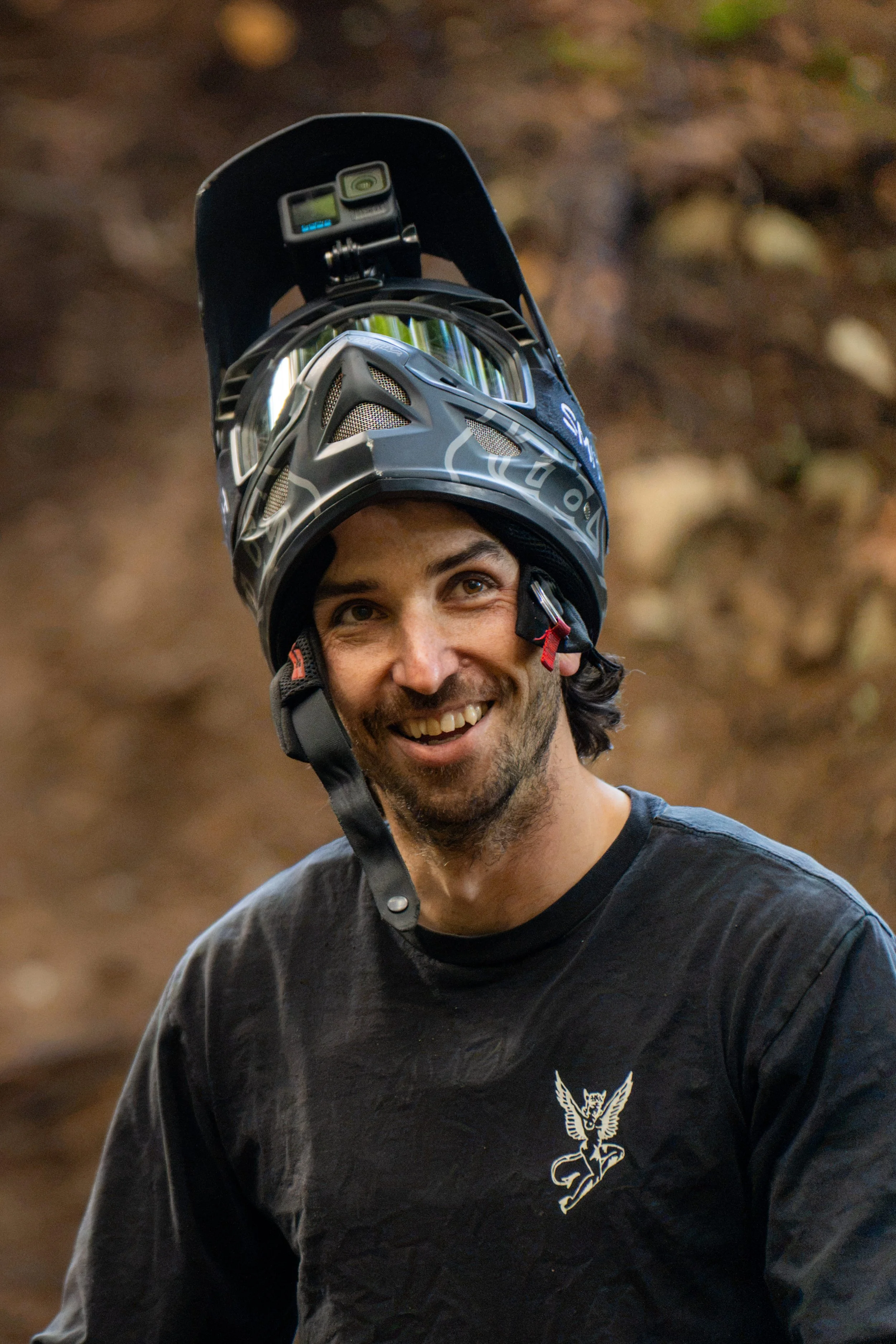
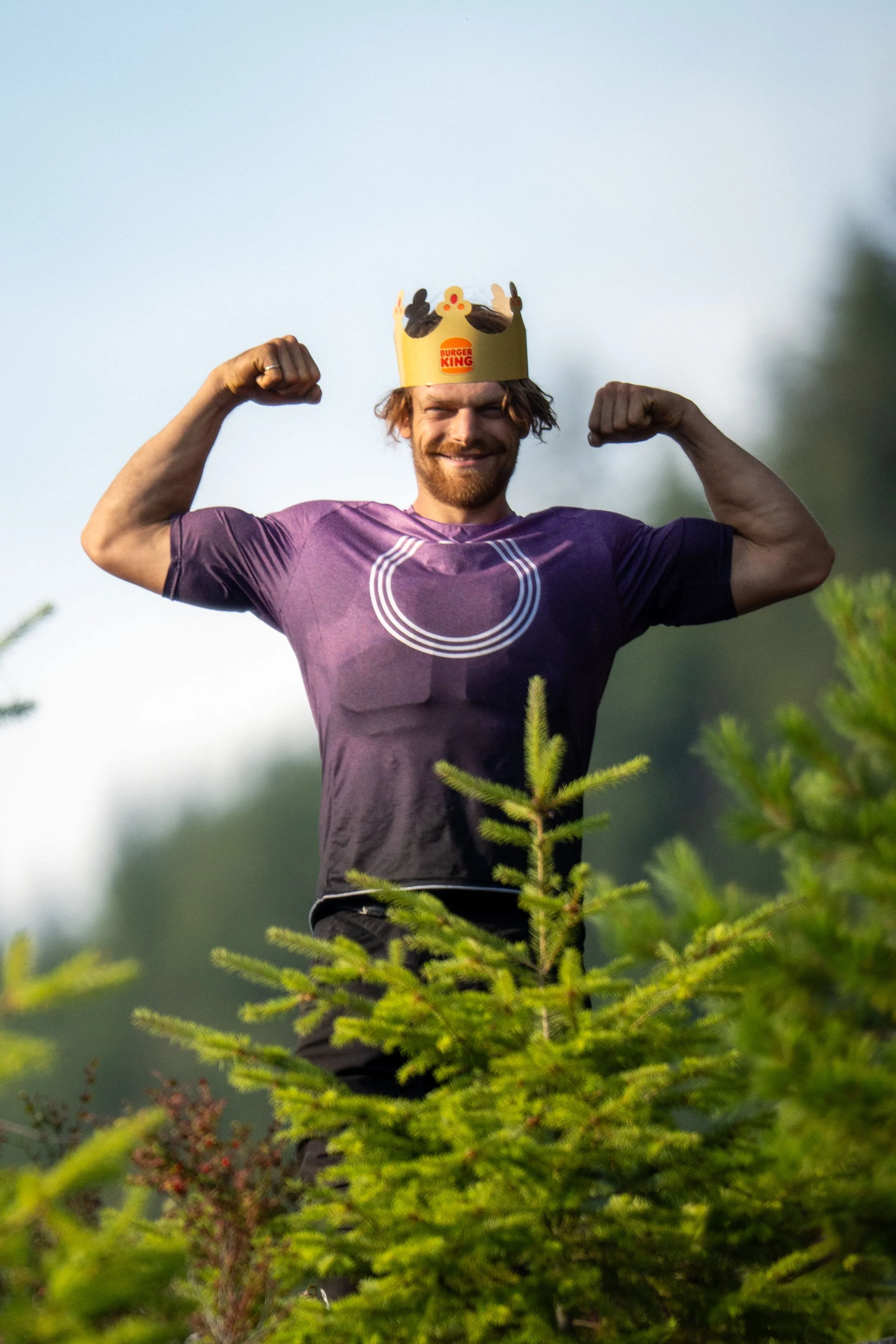
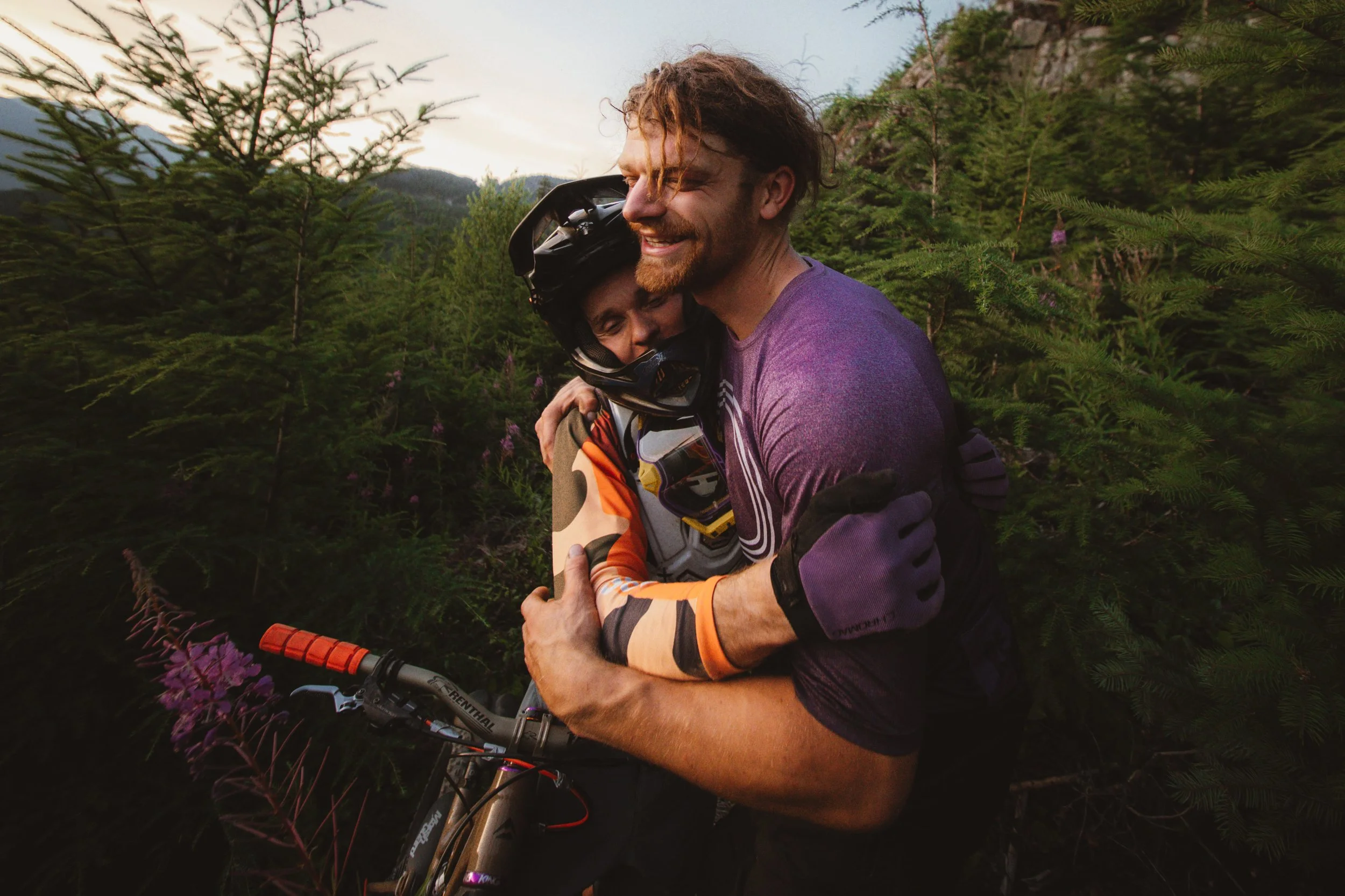
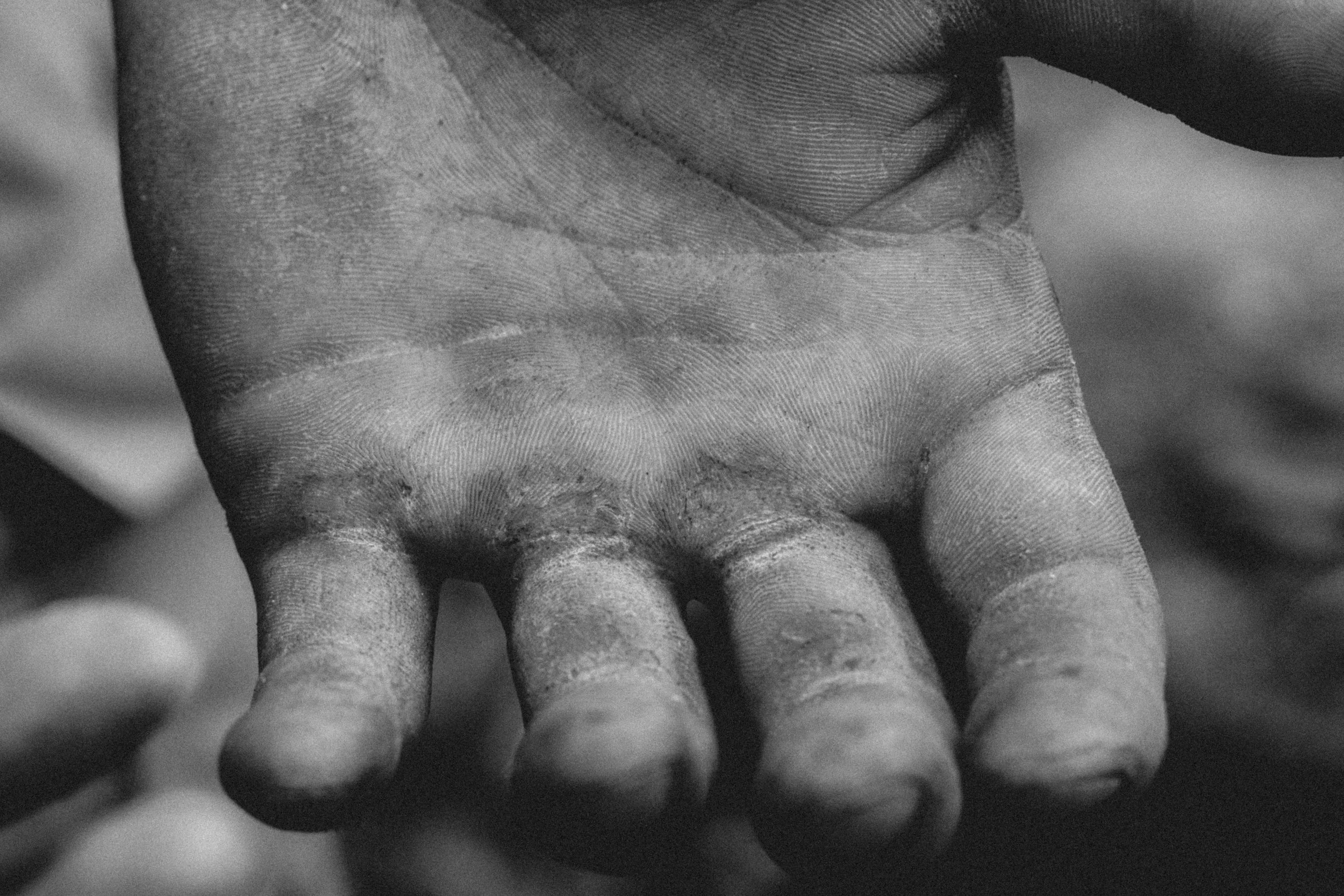
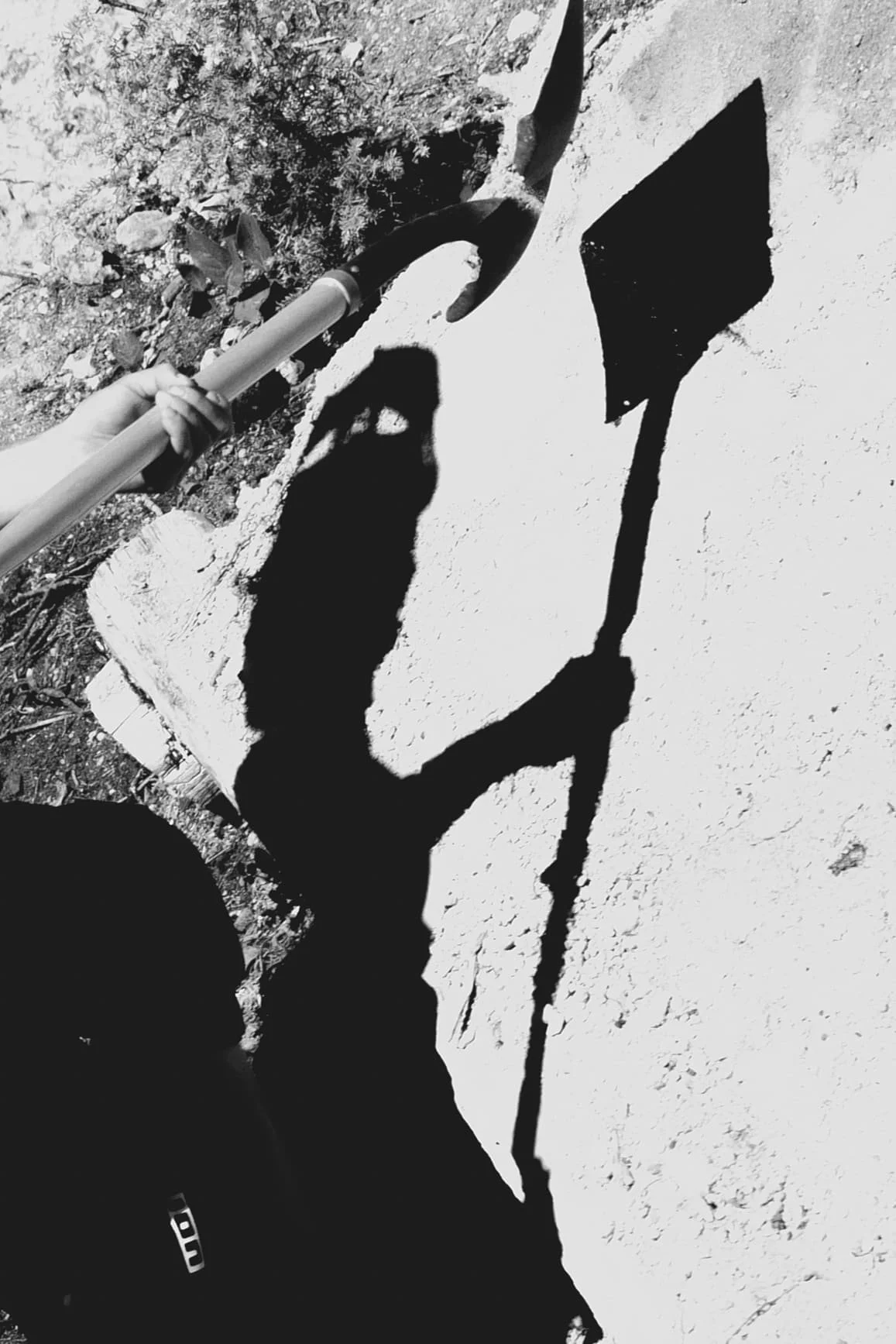
That’s the part I feel most responsible for. A rider’s name might end up on a magazine cover, but the line beneath them is the product of long, unseen labour, often their own. My job is to make that visible. I’m not only documenting riding. I’m documenting the people who dream it, dig it, and then ride it: their tired hands, their dirt streaked faces, the look when a line they’ve spent months on finally comes together.
Why It Matters to Me
I’m drawn to this world because it rewards imagination as much as skill, and because I get to tell its story. In a lot of sports, you perform within a system someone else created. Here, you create the system, then you prove it. A rider with a vision can look at a hillside, see something no one else sees, and make it real.
BC, with its dramatic terrain and its history of rebels with shovels, is the perfect home for it. The forests, mountains, and rain soaked trails shaped the sport, and the people who ride and build here keep shaping it back.
Freeride began as a few riders asking what else a bike could do on a mountain. Decades later, that question still drives the best of them, and it’s why I keep showing up with a camera. The riders make it look effortless. My job is to show you it never was.